
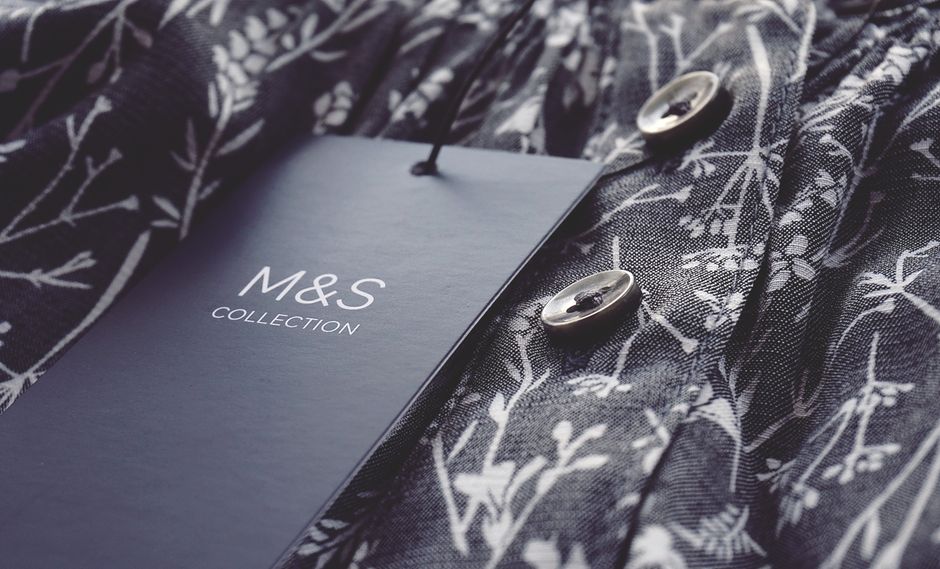
In the ever-evolving world of fashion retail, private label clothing has emerged as a powerful tool for both established brands and new entrants. This business model allows retailers to offer unique products without the need for extensive manufacturing capabilities. By understanding the nuances of private label clothing, businesses can tap into new revenue streams and build stronger connections with their customers.
Understanding Private Label Clothing
Private label clothing refers to garments that are manufactured by one company but sold under another company’s brand name. This can include everything from basic t-shirts to high-end dresses. The key advantage of private labeling is that it allows retailers to sell exclusive products that are not readily available at other stores. This exclusivity can enhance brand loyalty and customer retention.
According to a report by Statista, the private label market in the fashion industry has been experiencing steady growth, with projections indicating it will continue to rise. Retailers who are keen on maintaining a competitive edge should consider incorporating private label lines into their offerings. Not only does this strategy provide unique products, but it also allows for higher margins compared to branded goods.
The Benefits of Private Label Clothing
One of the primary benefits of private label clothing is cost control. Retailers can negotiate directly with manufacturers, which can lead to lower production costs. This not only allows for better pricing strategies but also enhances profit margins. For example, a retailer may source a basic t-shirt for $5 and sell it under their own label for $20, creating a significant profit margin.
Moreover, private label clothing offers retailers the flexibility to respond quickly to fashion trends. Retailers can design and produce new items in a matter of weeks, adapting to customer preferences faster than traditional brands. This agility is crucial in today’s fast-paced fashion landscape, where trends can change overnight.
Challenges in Private Label Clothing
While the benefits are substantial, private label clothing also comes with its set of challenges. One significant hurdle is the need for effective quality control. Retailers must ensure that the products meet the quality standards expected by their customers. Poor quality can lead to negative brand perception and loss of sales.
Additionally, retailers must invest time and resources into marketing their private label products. Unlike established brands that come with built-in recognition, private labels require strategic branding efforts to gain customer trust. This can involve everything from packaging design to online marketing campaigns. For instance, a retailer might need to create engaging content that highlights the unique qualities of their private label clothing, thereby drawing in potential customers.
How to Launch a Successful Private Label Clothing Line
Launching a private label clothing line involves several key steps. First, retailers should conduct thorough market research to identify gaps in the market. Understanding consumer preferences and current trends is crucial in developing a product line that resonates with the target audience.
Next, selecting the right manufacturer is critical. Retailers should seek manufacturers who can deliver quality products on time and within budget. Building strong relationships with suppliers can lead to better pricing and priority service, which are essential for the success of a private label line.
Once the products are developed, retailers must focus on branding and marketing. This includes designing a compelling brand story, creating visually appealing branding materials, and utilizing social media to reach potential customers. An example of successful branding can be seen in retailers that leverage influencer partnerships to promote their private label clothing, generating buzz and attracting new customers.
Future Trends in Private Label Clothing
The private label clothing market is poised for further growth as consumer preferences shift towards personalized shopping experiences. Retailers are increasingly focusing on sustainability, with many opting to source materials ethically and transparently. Consumers are becoming more conscious of their purchasing decisions, and brands that can demonstrate their commitment to sustainability are likely to gain a competitive advantage.
Moreover, advancements in technology are reshaping the private label landscape. Retailers are utilizing data analytics to better understand consumer behavior and preferences, allowing them to tailor their private label offerings more effectively. For example, some retailers are employing AI tools to predict trends and optimize inventory management, ensuring they meet customer demand without overstocking.
Conclusion
Private label clothing offers a wealth of opportunities for retailers looking to distinguish themselves in a crowded market. By leveraging the benefits of this model, addressing challenges proactively, and adapting to emerging trends, businesses can build successful private label lines that resonate with consumers. As the fashion industry continues to evolve, those who embrace the private label approach will be well-positioned to thrive.
For more insights on private label clothing and how to integrate it into your business strategy, exploring reputable platforms and resources can be immensely beneficial.