
In recent years, the concept of sustainable living has gained immense popularity. Among the various methods to achieve this, aquaponics stands out as a revolutionary approach that combines aquaculture and hydroponics. By utilizing an aquaponics kit, individuals can create a self-sustaining ecosystem that not only provides fresh produce but also supports fish farming. This article explores the benefits, components, and practical considerations of using aquaponics kits for home or commercial purposes.
Understanding Aquaponics: The Basics
Aquaponics is an innovative agricultural practice that merges fish farming (aquaculture) with soil-less plant cultivation (hydroponics). This symbiotic relationship between fish and plants allows for a closed-loop system where waste produced by the fish serves as a nutrient source for the plants, while the plants help filter and purify the water for the fish. The beauty of this system lies in its efficiency and sustainability.
With the rising concerns over food security and environmental impact, aquaponics offers a productive solution. Unlike traditional farming, which often relies on chemical fertilizers and pesticides, aquaponics utilizes natural processes, making it an eco-friendly alternative. Additionally, aquaponics can be set up in various environments, from urban rooftops to rural landscapes, making it accessible to a wide range of individuals.
Components of an Aquaponics Kit
An aquaponics kit typically includes several essential components that work together to create a thriving ecosystem. These components include a fish tank, grow beds, a water pump, and filtration systems. Each part plays a crucial role in maintaining the health and productivity of the system.
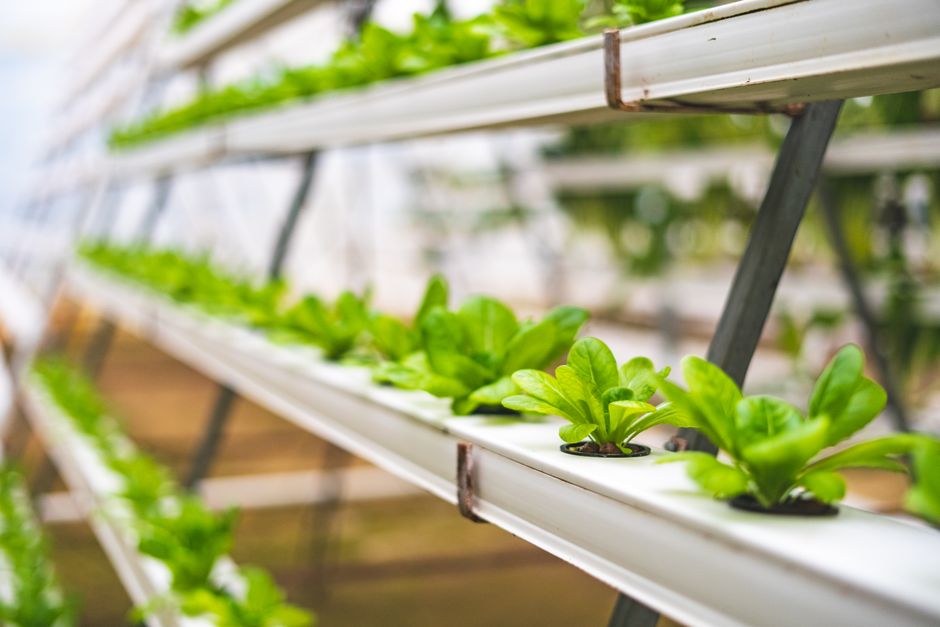
The fish tank is where the fish are raised, and it serves as the primary source of nutrients for the plants. It is important to choose the right type of fish, such as tilapia or catfish, which are well-suited for aquaponics systems. The grow beds are where the plants are cultivated, and they can be filled with various growing media, such as clay pellets or rock wool, to support plant roots.
The water pump circulates water between the fish tank and grow beds, ensuring that both fish and plants receive the necessary nutrients and oxygen. Finally, a filtration system is essential for removing solid waste from the water, keeping the system clean and healthy. Many aquaponics kits come with all these components, making it easy for beginners to get started.
The Benefits of Using Aquaponics Kits
Aquaponics kits offer numerous benefits that make them an attractive option for both hobbyists and commercial growers. Firstly, they are highly efficient in terms of water usage. Traditional farming consumes vast amounts of water, while aquaponics systems use up to 90% less water due to their closed-loop design. This makes aquaponics particularly appealing in areas facing water scarcity.
Secondly, aquaponics can produce food in a fraction of the time compared to conventional farming methods. Many plants can be harvested within weeks, and fish can be ready for harvest in just a few months. This rapid production cycle allows for a continuous supply of fresh food, reducing reliance on store-bought produce.
Moreover, aquaponics promotes biodiversity by allowing growers to cultivate a variety of plants alongside fish. This diversity not only enhances the nutritional value of the produce but also contributes to a more resilient ecosystem. For those interested in starting their own aquaponics journey, various options are available, including DIY kits and professionally designed systems.
Considerations Before Starting an Aquaponics System
While aquaponics presents exciting opportunities for sustainable living, there are several considerations to keep in mind before diving into this practice. First and foremost, understanding the balance between fish and plant species is crucial. Choosing compatible fish and plants can significantly impact the success of the system. Researching the specific requirements of each species will help ensure a thriving ecosystem.
Additionally, monitoring water quality is vital for the health of both fish and plants. Parameters such as pH, ammonia levels, and dissolved oxygen must be regularly checked to maintain optimal conditions. Many aquaponics kits come equipped with monitoring tools to facilitate this process.
Finally, potential users should consider the initial investment and ongoing maintenance costs associated with aquaponics systems. While some kits may be affordable, others can be quite costly depending on the size and complexity of the system. Understanding the long-term commitment required will help individuals make informed decisions about their aquaponics journey.
Getting Started with Aquaponics Kits
For those eager to embark on their aquaponics adventure, starting with an aquaponics kit can simplify the process significantly. These kits are designed to provide everything needed to set up a successful system, often accompanied by detailed instructions and support resources.
Begin by selecting a kit that fits your space and goals—whether you aim for a small indoor setup or a larger outdoor system. Once you have your kit, familiarize yourself with the components and their functions. Setting up the system requires careful attention to detail, but once established, the rewards of fresh produce and fish are well worth the effort.
In conclusion, aquaponics kits present an exciting opportunity for individuals to engage in sustainable living while enjoying the benefits of fresh, home-grown food. By understanding the basics of aquaponics, the components involved, and the considerations for success, anyone can establish their own thriving aquaponics system.
Conclusion
Aquaponics kits offer a unique and sustainable solution to modern food production challenges. By combining fish farming with hydroponics, individuals can create efficient ecosystems that provide fresh produce and fish while conserving water and reducing environmental impact. With careful planning, research, and a commitment to maintaining the balance within the system, aquaponics can become a rewarding venture for anyone interested in sustainable living.