
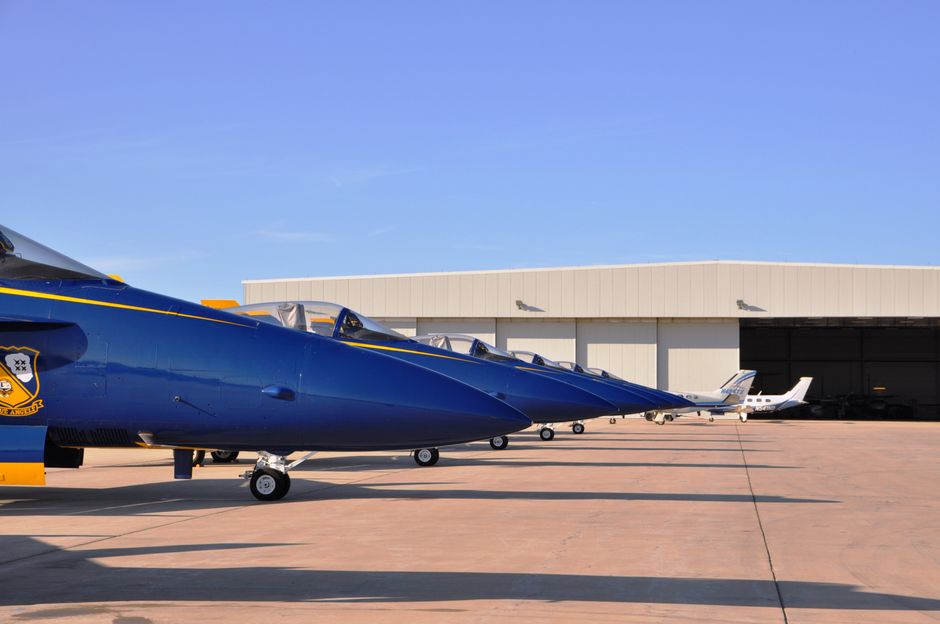
Aviation insurance is a specialized field that encompasses the insurance needs of the aviation industry. From small private planes to large commercial airlines, aviation insurance covers a wide range of risks associated with aircraft operations. As the aviation industry continues to grow, understanding the nuances of aviation insurance becomes increasingly important for operators, owners, and passengers alike. This article delves into the various aspects of aviation insurance, its types, benefits, and considerations for those involved in the aviation sector.
What is Aviation Insurance?
Aviation insurance is a type of insurance designed to protect aircraft owners and operators from financial losses related to their aviation activities. It covers a range of liabilities, including damage to the aircraft itself, liability for passenger injuries, and damage to third-party property. The coverage can vary significantly based on the type of aircraft, its use, and the specific risks involved.
For instance, a commercial airline may require a different type of coverage than a private pilot flying a small aircraft for leisure. Aviation insurance policies can be tailored to meet the specific needs of the insured, taking into account factors such as flight operations, geographical areas of operation, and the type of aircraft.
Types of Aviation Insurance
There are several types of aviation insurance, each catering to different needs within the aviation community. The most common types include:
1. Hull Insurance: This covers physical damage to the aircraft itself. It protects against losses due to accidents, theft, or vandalism.
2. Liability Insurance: This is crucial for protecting operators against claims made by passengers or third parties. It covers legal expenses and damages resulting from bodily injury or property damage caused by the aircraft.
3. Ground Risk Hull Insurance: This type of insurance covers damage to the aircraft while it is on the ground, excluding any in-flight incidents.
4. Passenger Liability Insurance: Specifically designed to cover legal liabilities arising from injuries to passengers, this insurance is essential for commercial airlines.
5. Non-Owned Aircraft Liability Insurance: This covers liabilities incurred when an insured operates an aircraft they do not own, commonly used by companies that lease aircraft.
The Importance of Aviation Insurance
Understanding the significance of aviation insurance is vital for anyone involved in the aviation industry. The costs associated with aviation accidents can be astronomical, often reaching millions of dollars. Without proper insurance coverage, owners and operators could face crippling financial losses.
According to the International Air Transport Association (IATA), the global airline industry is projected to reach a value of over $800 billion by 2030. As such, the demand for comprehensive aviation insurance policies is likely to increase, making it essential for stakeholders to understand their insurance needs and options.
Factors Influencing Aviation Insurance Premiums
Several factors can influence the cost of aviation insurance premiums. Some of the most critical include:
1. Type of Aircraft: The make, model, and age of the aircraft can significantly impact insurance costs. Newer and more advanced aircraft may require higher premiums due to their value and associated risks.
2. Usage: How the aircraft is used plays a crucial role in determining premiums. Commercial operations typically face higher risks than private leisure flights.
3. Pilot Experience: The experience and qualifications of the pilot can also affect insurance costs. Pilots with extensive flight hours and specialized training may qualify for lower premiums.
4. Safety Record: A clean safety record can lead to lower premiums, as insurers view these operators as lower risk.
How to Choose the Right Aviation Insurance
Selecting the appropriate aviation insurance requires careful consideration of various factors. Here are some practical steps to ensure you make an informed choice:
1. Assess Your Needs: Determine what type of insurance coverage you require based on your operations, aircraft type, and flight frequency.
2. Research Providers: Look for reputable insurance providers that specialize in aviation insurance. Check their financial stability and customer reviews.
3. Compare Quotes: Obtain quotes from multiple insurance providers to compare coverage options and premiums. Ensure you understand what is included in each policy.
4. Consult Experts: Seek advice from aviation insurance brokers or legal experts who can provide insights tailored to your specific situation.
For those interested in learning more about aviation insurance, numerous resources are available that outline the nuances of various policies and coverage options.
Conclusion
Aviation insurance is an essential component of the aviation industry, providing crucial protection to owners, operators, and passengers. With the complexity and costs associated with aviation operations, understanding the different types of coverage available and the factors influencing premiums is paramount. As the industry evolves, staying informed about changes in regulations and insurance options will help stakeholders make the best decisions for their aviation needs.