
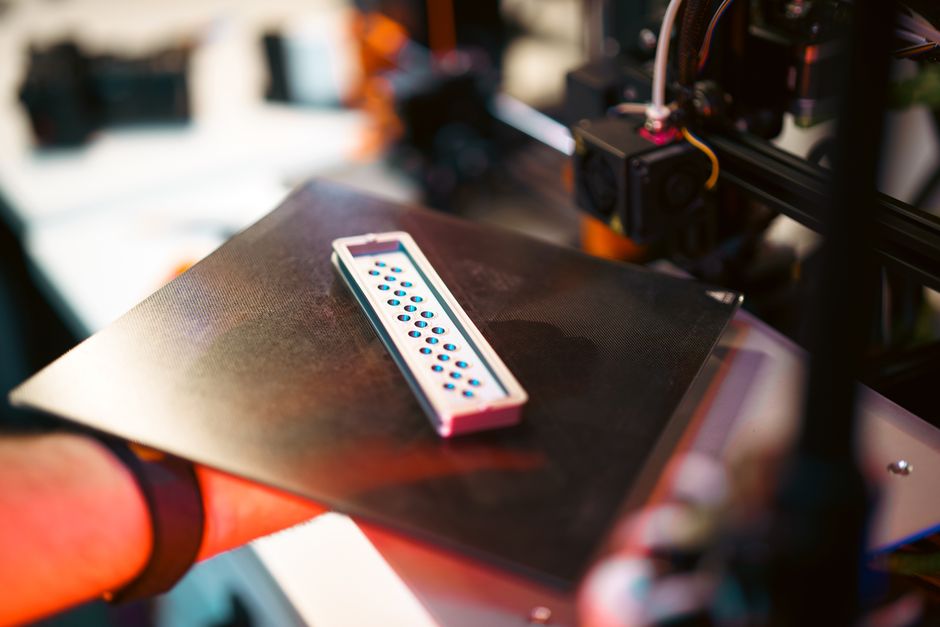
In recent years, 3D printing has emerged as a revolutionary technology that is reshaping various industries. The ability to create complex designs and prototypes quickly has made it an invaluable resource for businesses. From manufacturing to healthcare, the applications of 3D printing services are vast and growing. This article explores the various aspects of 3D printing services, their benefits, and how they are changing the landscape of modern production.
Understanding 3D Printing Technology
3D printing, also known as additive manufacturing, involves creating three-dimensional objects from a digital file. This process typically involves layering materials such as plastic, metal, or resin to build objects from the ground up. The technology has advanced significantly since its inception, with various printing techniques available, including Fused Deposition Modeling (FDM), Stereolithography (SLA), and Selective Laser Sintering (SLS).
One of the key advantages of 3D printing is its ability to produce highly customized products. This level of personalization is particularly beneficial in industries such as healthcare, where custom prosthetics or dental implants can be created to fit individual patients perfectly. With the increasing accessibility of 3D printing services, more businesses are looking to leverage this technology to enhance their product offerings.
Applications Across Industries
3D printing services have found applications in numerous industries. In the manufacturing sector, companies are using 3D printing to create prototypes, tools, and even end-use parts. According to a recent report, the global 3D printing market is expected to reach USD 44.5 billion by 2026, indicating significant growth in this field.
In the automotive industry, manufacturers are utilizing 3D printing for rapid prototyping and producing lightweight components that improve fuel efficiency. For instance, major automotive companies like Ford and BMW are investing heavily in this technology to streamline their production processes and reduce costs.
Healthcare is another sector experiencing a transformation due to 3D printing. Customized implants, surgical models, and patient-specific instruments are being produced to enhance surgical outcomes. The ability to produce these items on-demand reduces lead times and improves patient care.
Benefits of Using 3D Printing Services
The benefits of utilizing 3D printing services are numerous and impactful. One of the most significant advantages is cost-effectiveness. Traditional manufacturing processes often require expensive molds and tooling, whereas 3D printing eliminates these costs. This is particularly advantageous for small businesses or startups looking to bring their products to market without a hefty investment.
Additionally, 3D printing allows for rapid prototyping, enabling companies to test and iterate designs quickly. This speed can significantly reduce time-to-market for new products, giving businesses a competitive edge. Furthermore, the ability to produce complex geometries that are challenging to achieve with traditional methods opens up new design possibilities.
Moreover, sustainability is becoming an increasingly important consideration in manufacturing. 3D printing can contribute to more sustainable practices by reducing waste, as it only uses the material needed to create an object. This shift towards sustainability is a crucial factor as consumers and companies alike become more environmentally conscious.
Challenges and Considerations
Despite the numerous advantages, there are challenges associated with 3D printing services that businesses must navigate. One of the primary concerns is the quality and durability of 3D printed products. While the technology has advanced, not all materials and techniques yield products that meet the rigorous standards required for certain applications, especially in sectors like aerospace and medical.
Moreover, intellectual property is a significant concern in the realm of 3D printing. With the ability to replicate objects easily, businesses must implement strategies to protect their designs and innovations. This adds an additional layer of complexity for companies looking to adopt 3D printing technologies.
The Future of 3D Printing Services
As technology continues to evolve, the future of 3D printing services looks promising. Innovations such as multi-material printing, bioprinting, and the development of new materials are on the horizon. These advancements could further expand the applications of 3D printing, making it an integral part of various industries.
Furthermore, as more businesses adopt 3D printing, we can expect a shift in the supply chain dynamics. Localized production will become more prevalent, reducing reliance on overseas manufacturing and leading to shorter lead times and lower shipping costs.
Conclusion
In conclusion, 3D printing services are transforming industries by offering innovative solutions for product development and manufacturing. The technology’s ability to provide customization, cost-efficiency, and sustainability makes it an attractive option for businesses. While challenges exist, the potential benefits far outweigh them, paving the way for a future where 3D printing becomes a standard practice across various sectors.