
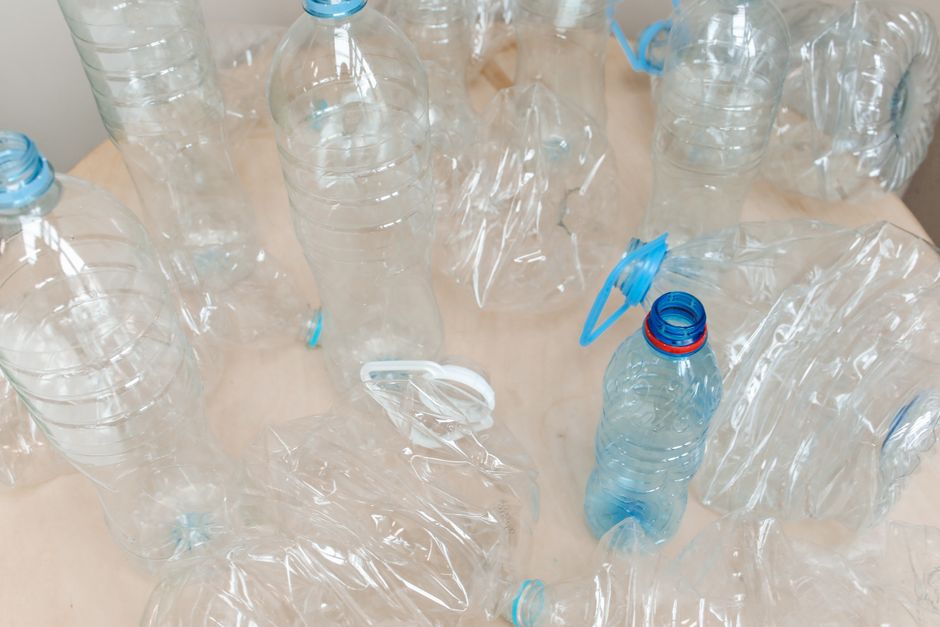
In recent years, the issue of plastic waste has become increasingly critical, prompting a global shift towards sustainability and environmental responsibility. As communities and businesses become more aware of the detrimental effects of plastic pollution, the role of plastic recycling companies has never been more vital. These companies not only contribute to reducing waste but also play a crucial role in conserving resources and promoting a circular economy.
Understanding Plastic Waste and Its Impact
Plastic is one of the most commonly used materials in the world, with millions of tons produced every year. However, the convenience of plastic comes with significant environmental costs. According to the United Nations, around 300 million tons of plastic waste are generated globally each year, with only a fraction being recycled. The vast majority ends up in landfills, oceans, and natural habitats, causing severe harm to wildlife and ecosystems.
Moreover, the breakdown of plastics can take hundreds of years, leading to long-term environmental degradation. The accumulation of microplastics in the food chain is another alarming consequence, posing health risks to both humans and animals. This stark reality underscores the urgent need for effective plastic waste management solutions, which is where plastic recycling companies come into play.
The Role of Plastic Recycling Companies
Plastic recycling companies are at the forefront of mitigating plastic waste. Their primary function is to collect, process, and recycle used plastics into new products. This not only helps reduce the volume of waste but also conserves resources by minimizing the need for virgin materials. For instance, recycling a ton of plastic can save up to 1,000 to 2,000 gallons of gasoline, a significant energy saving that highlights the efficiency of recycling processes.
These companies employ various technologies to ensure effective recycling. Mechanical recycling, for example, involves shredding plastic waste and melting it down to create new products, while chemical recycling breaks down plastics into their basic components for reuse. Each method has its advantages and applications, depending on the type of plastic and its intended use.
Innovations in Plastic Recycling
As the demand for sustainable practices grows, plastic recycling companies are continuously innovating to improve their processes. Advanced sorting technologies, such as infrared spectroscopy and AI-based systems, are being utilized to enhance the efficiency of material recovery. These innovations enable companies to better separate different types of plastics, leading to higher quality recycled materials.
Moreover, some companies are exploring new methods to recycle plastics that were previously deemed non-recyclable. For example, the development of enzymatic recycling processes has shown promise in breaking down complex plastics, allowing for a wider range of materials to be processed. Such advancements not only expand the scope of recycling but also improve the overall sustainability of plastic products.
Challenges Faced by Plastic Recycling Companies
Despite the progress made, plastic recycling companies face numerous challenges. One of the most significant hurdles is the contamination of recyclable materials. Items that are not properly cleaned or are mixed with non-recyclables can compromise entire batches, leading to increased costs and waste. Public education on proper recycling practices is essential to mitigate this issue.
Additionally, fluctuating market prices for recycled materials can impact the economic viability of recycling operations. When the cost of virgin plastic decreases, recycled materials may not be as competitively priced, discouraging companies from investing in recycling infrastructure. This economic challenge highlights the need for policy interventions and incentives to support the recycling industry.
Future Outlook for Plastic Recycling Companies
The future of plastic recycling companies looks promising, particularly as more governments and businesses commit to sustainability goals. Initiatives such as extended producer responsibility (EPR) policies are gaining traction, requiring manufacturers to take responsibility for the entire lifecycle of their products, including disposal and recycling.
Furthermore, consumer demand for recycled products is on the rise, with many companies actively seeking partnerships with plastic recycling companies to source sustainable materials. This trend not only enhances brand reputation but also contributes to a circular economy, where materials are reused and recycled rather than discarded.
Moreover, the emergence of new technologies and innovations in recycling processes continues to reshape the industry. As companies adapt to these changes, the potential for growth and expansion within the plastic recycling sector remains significant. For example, a reputable plastic recycling company can not only play a crucial role in waste reduction but also contribute to economic development through job creation and the promotion of green technologies.
Conclusion
In conclusion, plastic recycling companies are essential players in the fight against plastic waste. Their efforts not only help reduce environmental impact but also promote resource conservation and sustainability. As the world continues to grapple with the challenges posed by plastic pollution, the importance of these companies will only increase. By supporting and investing in plastic recycling, we can pave the way for a cleaner, more sustainable future.