
In today’s fast-paced fashion industry, customization has become a significant trend. As consumers seek unique and personalized clothing options, the role of custom clothing manufacturers has never been more crucial. These manufacturers provide brands and individuals with the ability to create tailored garments that cater specifically to their needs. This article will explore the benefits, processes, and future of custom clothing manufacturing.
Understanding Custom Clothing Manufacturing
Custom clothing manufacturing refers to the process of creating garments tailored to the specifications of the customer. Unlike mass production, where items are produced in bulk with little variation, custom clothing is designed to meet the unique requirements of each client. This can include adjustments in size, fabric choice, design elements, and even branding.
With the rise of e-commerce platforms, many businesses have turned to custom clothing manufacturers to differentiate themselves from competitors. Brands can now offer personalized products that resonate with their target audience, enhancing customer loyalty and satisfaction.
For instance, a small startup might collaborate with a custom clothing manufacturer to launch a limited-edition line of graphic tees. By using high-quality materials and unique designs, they can appeal to niche markets that value individuality and craftsmanship.
The Benefits of Custom Clothing
One of the primary advantages of custom clothing is the ability to offer personalized garments that reflect the wearer’s style and preferences. This personalization can lead to higher customer satisfaction and repeat business. According to a study by Deloitte, 36% of consumers expressed interest in purchasing personalized products, indicating a strong market demand.
Moreover, custom clothing manufacturers can often provide better quality than mass-produced options. By focusing on smaller production runs, they can maintain strict quality control measures, ensuring that each item meets high standards.
Additionally, sustainability is becoming a significant factor in consumers’ purchasing decisions. Custom clothing manufacturers often utilize local resources and materials, reducing the carbon footprint associated with long-distance shipping and mass production. This sustainable approach not only attracts environmentally-conscious consumers but also supports local economies.
The Process of Custom Clothing Manufacturing
The process of custom clothing manufacturing typically begins with a consultation between the client and the manufacturer. During this stage, preferences regarding fabric, style, and fit are discussed. Once these details are established, a prototype is created to ensure that the design meets the client’s expectations.
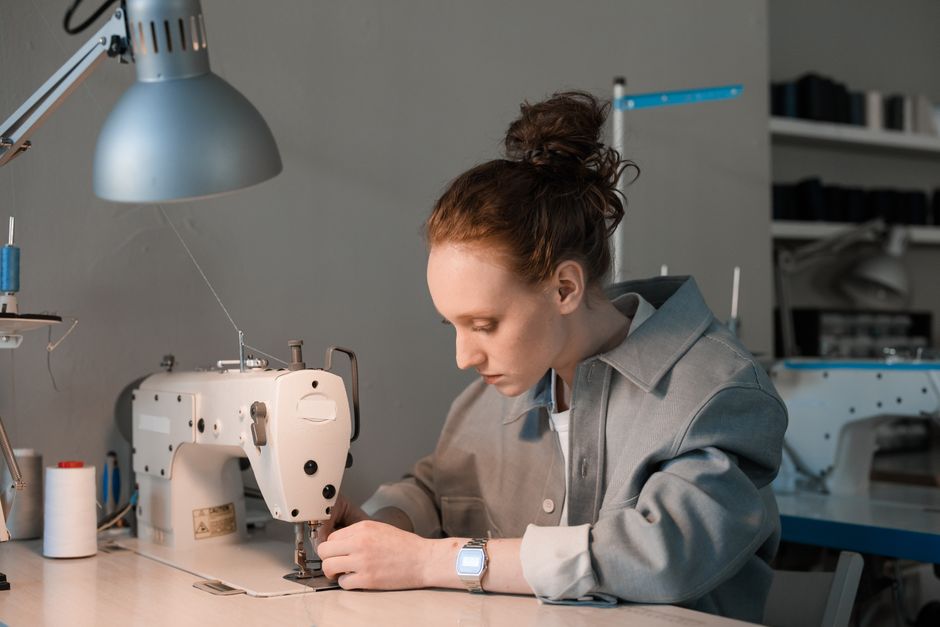
After the prototype is approved, the manufacturer moves on to production. This step can involve cutting fabric, sewing garments, and adding any necessary embellishments or branding. Throughout the entire process, communication between the manufacturer and the client is vital to ensure that the final product aligns with the original vision.
For example, a fashion label might work closely with a custom clothing manufacturer to develop a unique collection for an upcoming season. By collaborating from the initial design phase to the final production, they can create pieces that truly represent their brand identity.
Challenges Faced by Custom Clothing Manufacturers
Despite the growing demand for custom clothing, manufacturers face several challenges. One of the most significant hurdles is the need for efficient production processes to keep up with consumer expectations for quick turnaround times.
Additionally, managing inventory can be complex. Custom clothing manufacturers must balance the need for variety with the risk of overproduction. Implementing advanced technologies, such as inventory management software, can help streamline operations and minimize waste.
Furthermore, as the market for custom clothing becomes more competitive, manufacturers must find ways to differentiate themselves. This can involve investing in cutting-edge design technologies or expanding their range of services to include additional customization options.
The Future of Custom Clothing Manufacturing
As we look to the future, the custom clothing manufacturing industry is poised for growth. The increasing demand for personalized products, combined with advancements in technology, will likely drive innovation in this space. For instance, 3D printing and digital fabric printing are transforming the way garments are produced, allowing for rapid prototyping and customization.
Moreover, as consumers become more conscious of sustainability, custom clothing manufacturers that prioritize eco-friendly practices will likely see increased interest from shoppers. This shift toward ethical fashion is not just a trend; it represents a fundamental change in consumer behavior.
Ultimately, businesses that leverage the capabilities of a custom clothing manufacturer can position themselves as leaders in the evolving fashion landscape. By embracing customization, they can create unique offerings that resonate with today’s discerning consumers.
Conclusion
In summary, custom clothing manufacturing is rapidly gaining traction as consumers seek personalized and high-quality garments. By understanding the benefits, processes, and challenges of this industry, brands can successfully navigate the evolving market. As technology continues to advance and sustainability remains a priority, custom clothing manufacturers will play a pivotal role in shaping the future of fashion.