
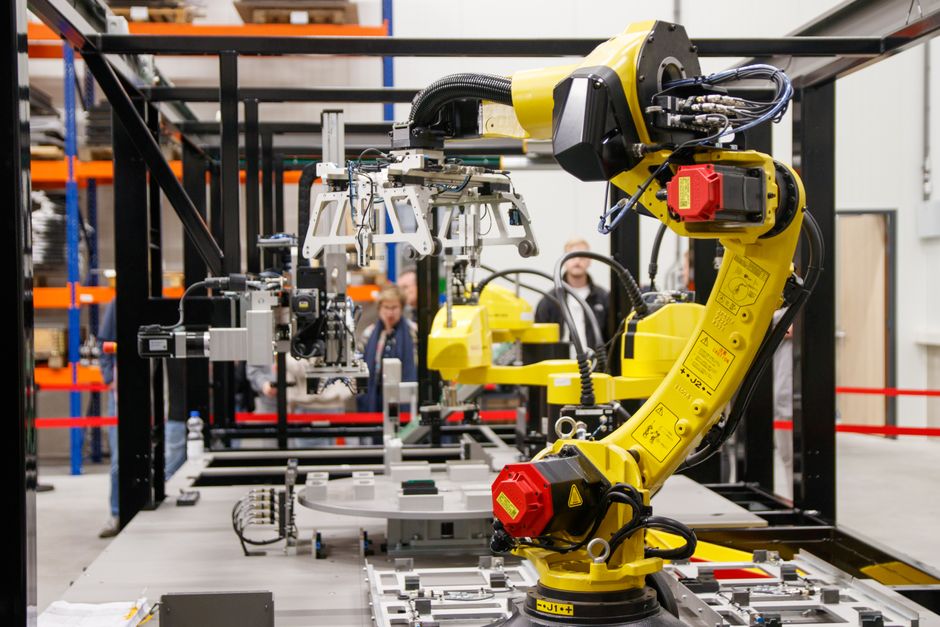
As industries evolve and embrace the fourth industrial revolution, the demand for industrial automation has surged. Companies are increasingly seeking reliable suppliers who can provide advanced automation solutions to enhance productivity and efficiency. This article explores the critical aspects of selecting an industrial automation supplier, the technologies involved, and the benefits of automation in modern manufacturing.
Understanding Industrial Automation
Industrial automation refers to the use of control systems such as computers or robots for handling different processes and machinery in an industry to replace human intervention. It encompasses a wide range of technologies including control systems, robotics, and information technologies. The primary goal is to improve the efficiency and quality of production while reducing costs.
The global industrial automation market is projected to reach USD 300 billion by 2025, according to industry reports. This growth can be attributed to the increasing need for operational efficiency and the rise of smart manufacturing. As a result, finding a competent industrial automation supplier becomes paramount for businesses aiming to stay competitive.
Key Factors to Consider When Choosing a Supplier
When selecting an industrial automation supplier, several factors should be taken into account. First, consider the supplier’s experience and reputation in the industry. Established suppliers often have a proven track record and can provide references from previous clients.
Secondly, evaluate the range of products and services offered. A comprehensive supplier should provide a variety of automation solutions, including sensors, controllers, and software. It’s also essential to assess their after-sales support and maintenance services, as ongoing support is crucial for the longevity of automation systems.
Lastly, consider the supplier’s ability to customize solutions to meet specific needs. Each manufacturing process is unique, and a one-size-fits-all approach may not be effective. A good supplier should be willing to collaborate closely with your team to devise tailored solutions.
Technologies Driving Industrial Automation
The landscape of industrial automation is continually evolving, thanks to advancements in technology. Key technologies include the Internet of Things (IoT), artificial intelligence (AI), and machine learning. IoT devices facilitate real-time monitoring and control of industrial processes, enabling data-driven decision-making.
AI and machine learning algorithms can analyze vast amounts of data to optimize production processes, predict equipment failures, and streamline operations. For instance, predictive maintenance powered by AI can significantly reduce downtime and maintenance costs.
Furthermore, robotics plays a vital role in automating repetitive tasks, enhancing precision and speed. Collaborative robots, or cobots, are designed to work alongside human workers, providing flexibility and safety in manufacturing environments.
Benefits of Industrial Automation
Implementing industrial automation brings numerous benefits. One of the most significant advantages is increased productivity. Automated systems can operate continuously without breaks, leading to higher output levels.
Moreover, automation improves product quality by minimizing human error. With precise control over manufacturing processes, companies can achieve consistent quality standards, reducing waste and rework costs.
Additionally, automation enhances workplace safety. By automating hazardous tasks, companies can protect their workforce and reduce the risk of workplace accidents. This not only improves employee morale but also complies with safety regulations.
Case Studies of Successful Automation
Several companies have successfully implemented industrial automation with significant results. For instance, a major automotive manufacturer reported a 30% increase in production efficiency after automating its assembly line. This transformation involved integrating robotic arms for welding and painting, allowing for faster and more precise operations.
Another example is a food processing company that adopted IoT technologies to monitor its production lines. By utilizing real-time data analytics, the company reduced its energy consumption by 20% and improved overall operational efficiency.
These case studies highlight the transformative impact of industrial automation and underscore the importance of partnering with a reliable supplier who can facilitate such advancements.
Conclusion
The future of manufacturing lies in the hands of industrial automation. As businesses strive for greater efficiency and competitiveness, the role of a capable industrial automation supplier becomes increasingly crucial. By understanding the technologies involved, evaluating potential suppliers carefully, and recognizing the benefits of automation, companies can position themselves for success in the rapidly evolving industrial landscape.