
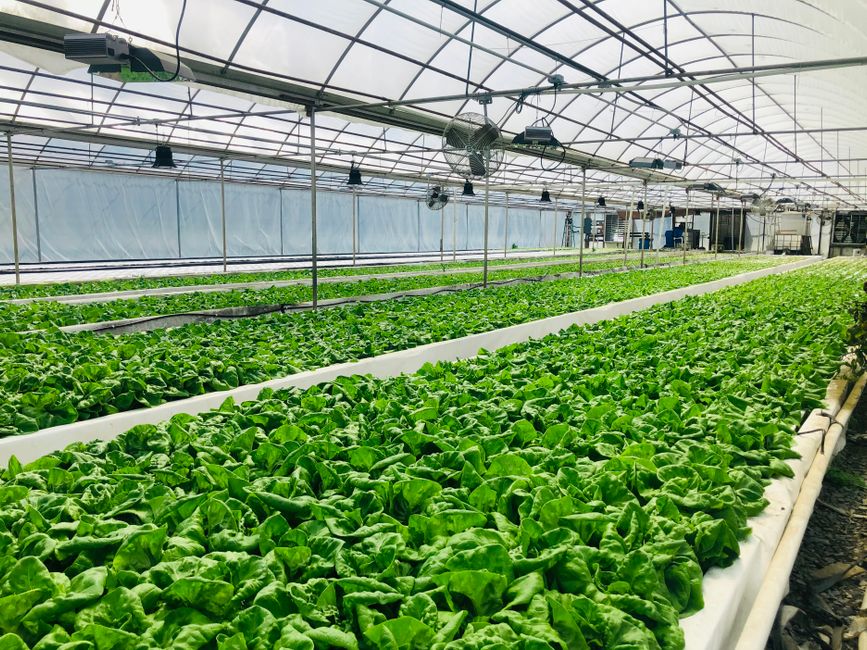
As the global population continues to rise and urbanization accelerates, traditional farming methods face significant challenges. Vertical farming technology has emerged as a revolutionary solution that promises to transform the way we produce food. This innovative approach utilizes vertically stacked layers to grow crops in controlled environments, optimizing space and resources. In this article, we will delve into the various aspects of vertical farming technology, its benefits, challenges, and future prospects.
Understanding Vertical Farming Technology
Vertical farming is defined as the practice of growing crops in vertically stacked layers, often incorporating controlled-environment agriculture (CEA) techniques. This method allows for year-round crop production, independent of seasonal changes. The integration of technology such as hydroponics, aeroponics, and aquaponics further enhances the efficiency of vertical farms.
One of the primary advantages of vertical farming is its ability to produce food in urban areas, significantly reducing transportation costs and carbon footprints. Studies indicate that vertical farms can yield up to 10 times more crops per square foot compared to traditional farms. This high-density farming method not only maximizes land use but also minimizes water consumption, making it a sustainable alternative to conventional agriculture.
Benefits of Vertical Farming
The benefits of vertical farming extend beyond just increased yield. One of the most significant advantages is the reduction in pesticide and herbicide usage. Since vertical farms operate in controlled environments, the need for chemical interventions is drastically reduced, resulting in healthier produce for consumers.
Additionally, vertical farms can be located closer to urban centers, ensuring fresher produce for city dwellers. This proximity also reduces food waste, as crops can be harvested and delivered to consumers within hours. Furthermore, vertical farming technology allows for the cultivation of a diverse range of crops, including leafy greens, herbs, and even fruits, which are often difficult to grow in traditional settings.
Challenges Facing Vertical Farming
Despite its numerous advantages, vertical farming is not without challenges. The initial setup costs can be prohibitively high, requiring significant investments in technology, infrastructure, and energy sources. Moreover, the energy consumption of vertical farms, particularly those relying on artificial lighting, raises concerns about sustainability.
As vertical farming technology advances, there is a pressing need to develop more energy-efficient systems. Innovations in LED lighting, for instance, have shown promise in reducing energy costs while maintaining high crop yields. Additionally, the integration of renewable energy sources, such as solar panels, can help mitigate the environmental impact of vertical farms.
Case Studies and Examples
Several successful vertical farming initiatives around the world showcase the potential of this technology. For instance, “Sky Greens” in Singapore operates one of the world’s first commercial vertical farms, producing a variety of vegetables using a unique rotating system that maximizes sunlight exposure.
Another notable example is “AeroFarms” in the United States, which has developed a proprietary aeroponic system that uses 95% less water than traditional farming. The company has reported crop yields of up to 390 times that of traditional agriculture, highlighting the efficiency of vertical farming technology.
The Future of Vertical Farming Technology
The future of vertical farming technology looks promising as advancements in robotics, artificial intelligence, and data analytics continue to evolve. These technologies can optimize crop management, monitor growth conditions, and even automate harvesting processes, further increasing efficiency and reducing labor costs.
As consumers increasingly demand fresh, locally sourced produce, vertical farming is poised to become a crucial player in the global food supply chain. By incorporating sustainable practices and innovative technologies, vertical farms can not only feed the growing population but also contribute to environmental conservation.
Conclusion
Vertical farming technology represents a significant breakthrough in agricultural practices, addressing some of the most pressing challenges of our time. With the potential to produce high yields of fresh, nutritious food in urban environments, it paves the way for more sustainable and efficient food systems. As we continue to explore and refine this technology, the vision of a greener, more sustainable future in agriculture becomes increasingly attainable. For more information on the advancements in this field, check out vertical farming technology.