
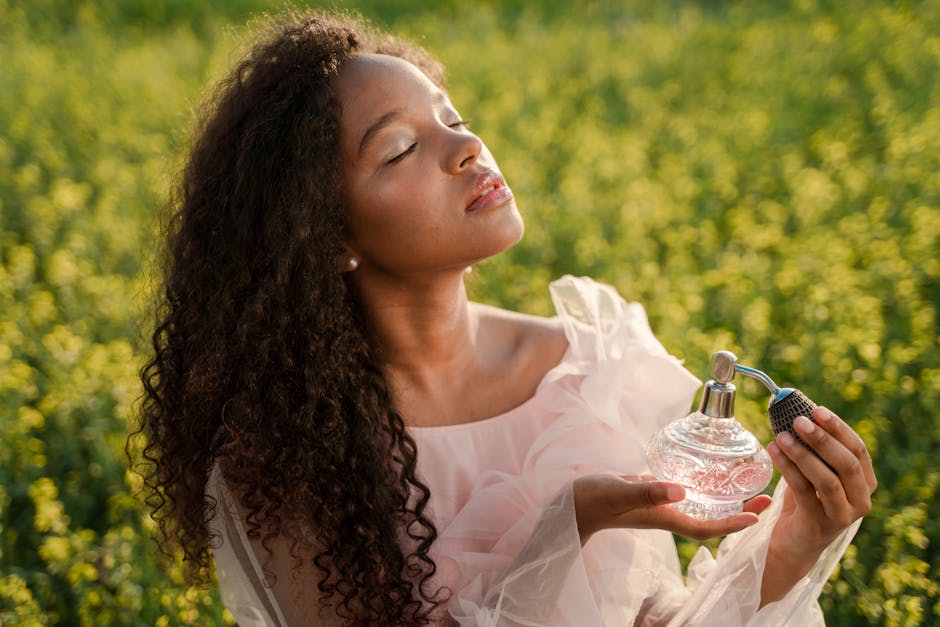
Perfume has been an integral part of human culture for centuries, transcending mere fragrance to become a powerful form of self-expression and art. From ancient civilizations to modern luxury brands, the world of perfume is rich with history, creativity, and complexity. This article explores the various facets of perfume, including its history, the science behind scent, the artistry of perfume-making, and the trends shaping the industry today.
The Rich History of Perfume
The use of perfume dates back to ancient Egypt, where scents were used in religious rituals and personal adornment. Historical records indicate that the Egyptians created a variety of perfumes using natural ingredients like flowers, spices, and resins. As trade routes expanded, the knowledge of perfume-making spread to other cultures, including the Greeks and Romans, who greatly valued fragrances in their daily lives.
During the Middle Ages, the art of perfume-making experienced a decline in Europe, primarily due to the rise of puritanical values. However, the Renaissance sparked a revival of interest in scents, leading to the establishment of perfume workshops in cities like Florence and Venice. The development of new techniques and the introduction of alcohol as a base for perfumes during this period revolutionized the industry and laid the groundwork for modern perfumery.
By the 19th century, perfume had become a symbol of luxury and sophistication. The advent of synthetic materials allowed perfumers to experiment with new scent combinations, leading to iconic fragrances that are still celebrated today. For example, the introduction of synthetic compounds like vanillin and coumarin opened up a new world of possibilities for fragrance creators.
The Science Behind Scent
Understanding the science of scent is crucial for both consumers and aspiring perfumers. The olfactory system is complex, with the human nose capable of detecting over a trillion different scents. When we smell a fragrance, molecules interact with olfactory receptors in the nasal cavity, sending signals to the brain that evoke emotions and memories.
Perfume is typically composed of top, middle, and base notes. The top notes are the initial scents that are perceived immediately upon application, while the middle notes emerge as the perfume settles. Base notes provide depth and longevity, ensuring that the fragrance lingers on the skin. This intricate balance of notes is what makes each perfume unique and defines its character.
For those interested in the chemistry behind perfume, understanding the role of essential oils and synthetic compounds is essential. Essential oils are derived from natural sources, while synthetic compounds are created in laboratories. Both play a significant role in modern perfumery, allowing for a diverse range of scents that can cater to different preferences.
The Artistry of Perfume-Making
Creating a perfume is a meticulous process that requires both artistic vision and technical skill. Perfumers, often referred to as “noses,” spend years honing their craft, learning to identify and combine different fragrance notes. The art of blending scents to create a harmonious composition is akin to painting a canvas, where each note contributes to the overall masterpiece.
Many renowned perfumers have established their own brands, showcasing their unique styles and philosophies. Brands like Maison Francis Kurkdjian (MFK) have gained international acclaim for their innovative approaches to fragrance creation. Each perfume tells a story, often inspired by personal experiences, memories, or cultural influences.
Perfume-making is not just about creating pleasant scents; it also involves understanding the market and consumer preferences. Trends in the fragrance industry can shift rapidly, influenced by factors such as fashion, art, and even social media. This dynamic nature of the industry keeps perfumers on their toes, constantly adapting and evolving their creations.
Current Trends in the Perfume Industry
The perfume industry is experiencing a renaissance, driven by a growing demand for niche and artisanal fragrances. Consumers are increasingly seeking unique scents that reflect their individuality, moving away from mass-market options. This shift has led to the rise of independent perfumers and boutique brands that prioritize quality and craftsmanship.
Additionally, sustainability has become a significant focus for many brands. Eco-friendly practices, such as sourcing natural ingredients responsibly and using recyclable packaging, are gaining traction among consumers who are more environmentally conscious. Brands that prioritize sustainability often attract a loyal customer base that values ethical practices.
Moreover, the influence of technology cannot be overlooked. Online platforms have made it easier for consumers to discover and purchase fragrances from around the world. Virtual scent experiences and personalized recommendations are becoming common, allowing consumers to find their perfect fragrance from the comfort of their homes.
Conclusion
Perfume is a multifaceted art form that encompasses history, science, and creativity. From its ancient origins to the modern-day industry, the world of fragrance continues to evolve, captivating the senses and enriching lives. Whether you’re a casual wearer or a devoted enthusiast, understanding the nuances of perfume can deepen your appreciation for this enchanting craft. As the industry moves forward, it will undoubtedly continue to surprise and inspire, making the journey through scent an ever-exciting adventure.