
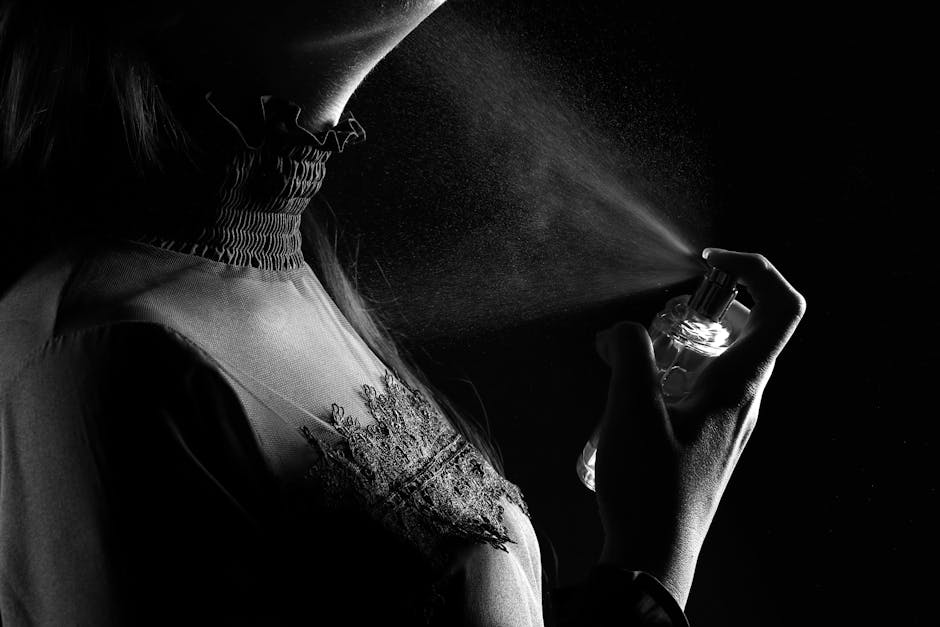
Perfume has been an integral part of human culture for centuries, serving not only as a tool for enhancing personal scent but also as a form of art and expression. The way a fragrance can evoke memories, emotions, and even transport us to different places is what makes perfume so fascinating. In this article, we will explore the history, components, and the current trends in the world of perfume, as well as tips on how to choose the right scent for yourself.
The History of Perfume
Perfume dates back to ancient civilizations, with the earliest records originating from Mesopotamia and Egypt. The Egyptians were known for their elaborate rituals involving perfumes, which they believed were gifts from the gods. They used a variety of natural ingredients, such as myrrh and frankincense, to create scents for religious ceremonies and personal use.
During the Middle Ages, the use of perfume spread throughout Europe, particularly among the aristocracy. The Italian Renaissance marked a significant turning point in perfume-making, with the introduction of distillation techniques that allowed for the extraction of essential oils. This innovation paved the way for the modern perfume industry, which began to take shape in the 19th century with the emergence of renowned perfume houses.
Today, the art of perfume-making is a blend of science and creativity, with master perfumers known as ‘noses’ crafting unique fragrances that appeal to a wide range of audiences. The influence of perfume continues to grow, with global sales reaching over $31 billion in 2021, and expected to increase in the coming years.
Components of Perfume
Understanding the components of perfume is essential for anyone looking to delve deeper into this world. Fragrances are typically composed of three main parts: top notes, middle notes, and base notes. Each of these layers plays a crucial role in how the scent develops over time.
Top notes are the initial scents perceived immediately upon application. They are often light and refreshing, consisting of citrus or fruity aromas. However, these notes are fleeting, lasting only a few minutes before fading away.
Middle notes, also known as heart notes, emerge once the top notes dissipate. These are the core of the fragrance and usually include floral or spicy elements. Middle notes typically last for several hours, providing depth and character to the scent.
Lastly, base notes are the foundation of the fragrance, providing longevity and richness. Ingredients like vanilla, musk, and amber are commonly found in this layer and can linger on the skin for hours, even days.
Choosing the Right Perfume
Choosing the perfect perfume can be a daunting task, given the vast array of options available. However, there are several strategies you can employ to find a fragrance that resonates with you. First, consider the occasion: casual, formal, or seasonal. Different scents are appropriate for different settings.
Next, take your personal preferences into account. Are you drawn to fresh, floral scents, or do you prefer rich, woody fragrances? Understanding your preferences will help you narrow down your options.
Additionally, it’s important to test fragrances on your skin rather than relying solely on scent strips. This is because the chemistry of your skin can alter how a fragrance smells. Spray a small amount on your wrist and allow it to develop over a few hours before making a decision.
For those looking to explore luxury fragrances, brands like Maison Francis Kurkdjian (MFK) offer exquisite options that are both sophisticated and timeless.
Current Trends in the Perfume Industry
The perfume industry is constantly evolving, with emerging trends influencing consumer preferences. One notable trend is the growing demand for sustainable and eco-friendly fragrances. Many consumers are now seeking brands that prioritize natural ingredients and sustainable practices in their production.
Another significant trend is the rise of personalized perfumes, where customers can create custom blends tailored to their unique preferences. This shift towards individuality allows for a more personal connection to fragrance.
Moreover, the popularity of niche perfumes continues to grow, as consumers are increasingly interested in unique and artisanal scents that stand apart from mass-market offerings. These niche brands often tell a story through their fragrances, adding an emotional layer to the scent.
The Future of Perfume
As we look to the future, the perfume industry is poised for exciting developments. Innovations in technology, such as AI and virtual reality, may soon play a role in how consumers choose and experience fragrances. Imagine being able to virtually sample a perfume before purchasing it, enhancing the buying experience.
Furthermore, the integration of wellness and fragrance is becoming more pronounced, with scents designed to promote relaxation and mood enhancement gaining popularity. This trend reflects a broader understanding of the impact that scent can have on our mental and emotional well-being.
In conclusion, the world of perfume is rich with history, complexity, and creativity. Whether you’re a seasoned fragrance aficionado or just beginning your journey, understanding the nuances of perfume can enhance your appreciation for this art form. With the right knowledge and a bit of exploration, you can find a scent that not only complements your personality but also adds a layer of depth to your daily experiences.