
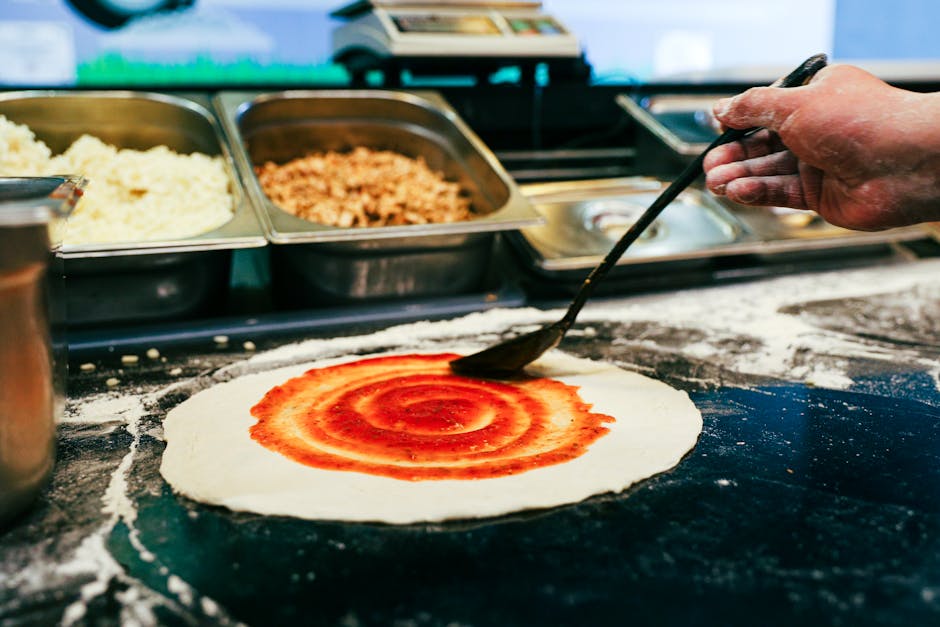
In the world of culinary delights, few dishes evoke as much passion and creativity as handmade pizza. Unlike its mass-produced counterparts, handmade pizza offers a unique opportunity to explore flavors, textures, and ingredients, making each pie a personal masterpiece. This article delves into the intricacies of creating the perfect handmade pizza, from selecting the finest ingredients to mastering the art of baking.
Understanding the Dough: The Foundation of Great Pizza
The dough is arguably the most critical component of any pizza. Handmade pizza dough is crafted from a simple mix of flour, water, yeast, and salt. However, the magic lies in the technique used to prepare it. Traditional Neapolitan pizza dough, for instance, requires a long fermentation process that can last up to 24 hours. This slow rise allows the flavors to develop fully, resulting in a light and airy crust.
Many artisans prefer using high-protein flour, which provides the necessary gluten structure for a chewy texture. A hydration level of around 60-65% is typically ideal, ensuring the dough is workable yet moist. Additionally, incorporating a small amount of olive oil can enhance the flavor and improve the crust’s texture when baked. Ultimately, the perfect dough should be elastic, smooth, and able to stretch without tearing.
Once the dough is prepared, it’s crucial to allow it to rest, as this relaxes the gluten and makes it easier to shape. After resting, the dough can be shaped into individual pizza bases, ready for toppings. This process can be a fun and engaging experience, especially when involving family and friends.
Choosing the Right Ingredients: Quality Matters
When it comes to handmade pizza, the quality of ingredients cannot be overstated. Fresh, high-quality components will elevate your pizza from ordinary to extraordinary. Start with your tomato sauce; San Marzano tomatoes are renowned for their sweetness and low acidity, making them a perfect base for pizza sauce. Simply crush them by hand and add a pinch of salt and a splash of olive oil for a simple yet delicious sauce.
Cheese is another critical element. While mozzarella is the traditional choice, many pizza enthusiasts experiment with various cheeses like provolone, fontina, or even blue cheese for a unique twist. Using fresh mozzarella, especially when it’s made from buffalo milk, can lend a rich creamy texture that melts beautifully.
Don’t forget the toppings! Handmade pizza allows for endless creativity. From classic pepperoni and mushrooms to gourmet options like truffle oil and arugula, the choices are limited only by your imagination. It’s essential to balance flavors and textures; for example, pairing a rich cheese with a fresh, zesty topping can create a delightful contrast. Overall, sourcing local and organic ingredients can make a significant difference in flavor.
Baking Techniques: Achieving the Perfect Crust
The baking process is where all the elements come together to create the perfect handmade pizza. Traditional wood-fired ovens can reach temperatures of up to 900°F (482°C), producing a beautifully charred crust in a matter of minutes. However, not everyone has access to such equipment, which is why home ovens can still yield excellent results with the right techniques.
For home bakers, using a pizza stone can help retain heat and create a crispy crust. Preheat the oven with the stone inside for at least 30 minutes before baking. If you don’t have a pizza stone, an inverted baking sheet can work in a pinch. It’s also important to bake the pizza at the highest temperature your oven can achieve, typically around 475-500°F (245-260°C).
When it comes to baking time, keep a close eye on your pizza. A well-baked pie should have a golden brown crust with bubbly, slightly charred cheese. Ideally, the total baking time should be around 10-15 minutes, depending on the thickness of the crust and the toppings used. Remember, practice makes perfect, so don’t be discouraged by initial attempts!
Serving and Enjoying: The Final Touches
Once your handmade pizza is baked to perfection, it’s time to serve! Allow it to cool for a few minutes before slicing, as this helps the cheese set slightly and makes for cleaner cuts. Toppings like fresh basil, a drizzle of extra virgin olive oil, or a sprinkle of sea salt can enhance the flavor and presentation.
Pair your pizza with a side salad or some antipasto for a complete meal. A well-chosen wine can also elevate the dining experience; for instance, a light-bodied red like Chianti pairs beautifully with tomato-based pizzas, while a crisp white can complement white pizzas with creamy cheeses.
Lastly, don’t forget to share your handmade pizza with loved ones! Pizza is not just food; it’s an experience best enjoyed together. Create a pizza night tradition and encourage everyone to take part in the process, from dough-making to topping selection.
Conclusion: The Joy of Handmade Pizza
Creating handmade pizza is a rewarding culinary adventure that allows for personal expression and creativity. From mastering the dough to selecting the finest ingredients and perfecting the baking technique, each step is an opportunity to learn and grow as a cook. With practice and passion, anyone can create delicious handmade pizza that rivals their favorite pizzeria. So gather your ingredients, invite your friends, and enjoy the delightful experience of crafting your own pizza masterpiece. And for those looking for inspiration or a luxurious dining experience, consider checking out LUXURY 777 for a taste of gourmet pizza.