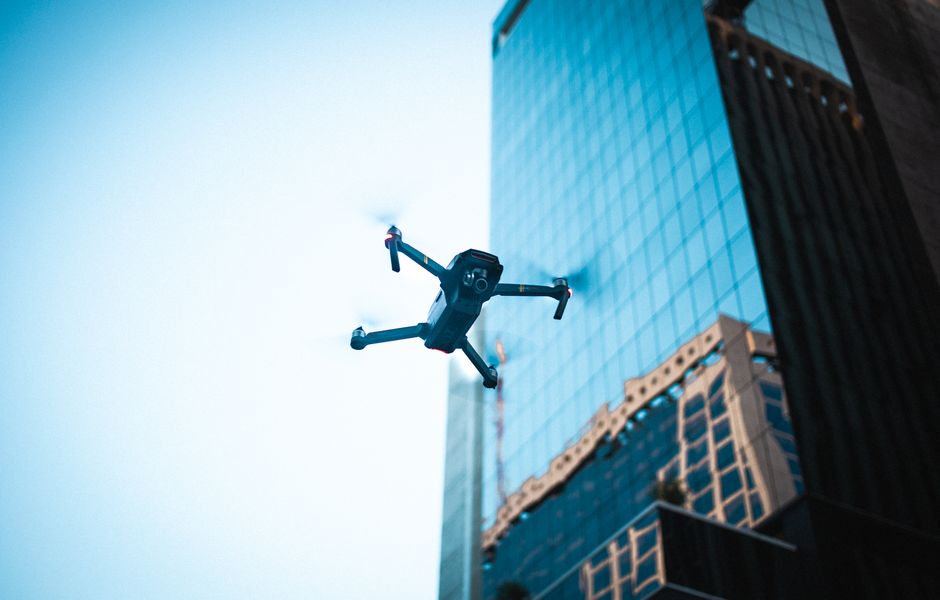
In recent years, aerial drone photography has revolutionized the way we capture and perceive landscapes, architecture, and events. The ability to take stunning images from above offers a unique perspective that traditional photography simply cannot achieve. As drones continue to evolve in technology and accessibility, more photographers are embracing aerial photography as a core part of their skill set.
The Rise of Aerial Drone Photography
The inception of aerial photography dates back to the early 20th century, but the advent of drones has made it more accessible than ever. According to a report by Statista, the global drone market size is expected to reach approximately $42.8 billion by 2025. This boom is partly due to the increasing demand for aerial images in various sectors such as real estate, agriculture, and film production.
Moreover, the integration of high-resolution cameras into drones allows photographers to capture breathtaking images that were once only possible through helicopters or planes. For instance, drone photography can capture vast landscapes or intricate architectural details from angles that were previously difficult to achieve.
As a result, many photographers are investing in drone technology, which has opened new avenues for creativity and storytelling. Whether it’s capturing a sunset over a mountain range or documenting a bustling cityscape, the possibilities are endless with aerial photography.
Essential Equipment for Aerial Photography
To get started with aerial drone photography, it’s crucial to select the right equipment. A high-quality drone equipped with a reliable camera is essential. Popular drones for photography include models from DJI, such as the Mavic Air 2 and the Phantom 4 Pro, known for their stability and image quality.
Additionally, understanding camera settings is vital. Factors such as shutter speed, ISO, and aperture play a significant role in the quality of images captured. For instance, using a lower ISO setting in bright daylight helps reduce noise and maintain clarity in photographs.
Furthermore, investing in extra batteries and memory cards can enhance shooting time and ensure you capture every moment without interruption. The right equipment not only improves the quality of your images but also enhances your overall experience as a drone photographer.
Techniques for Stunning Aerial Shots
Once you have the right equipment, mastering techniques is the next step to creating stunning aerial photographs. One effective approach is to use the rule of thirds, which involves dividing your frame into a 3×3 grid and placing points of interest along these lines or at their intersections.
Another technique is to experiment with different altitudes and angles. Lower altitudes can create a sense of intimacy, while higher altitudes provide a broader context of the surrounding environment. Additionally, capturing images during the golden hour—shortly after sunrise or before sunset—can significantly enhance the colors and mood of your photographs.
Moreover, understanding the wind conditions is crucial for stable shots. Drones can be affected by wind, so finding a calm day or using features like GPS hold can help maintain stability while capturing images. These techniques can elevate your aerial photography and create visually compelling stories.
Legal Considerations and Safety Tips
While aerial drone photography offers exciting opportunities, it’s essential to understand the legal regulations and safety guidelines. In many countries, drone pilots must register their drones and obtain licenses for commercial use. The Federal Aviation Administration (FAA) in the United States, for example, requires drone operators to follow specific rules, such as flying below 400 feet and maintaining a visual line of sight with the drone.
Additionally, it’s vital to respect privacy. Always seek permission before flying over private property and avoid capturing images of individuals without their consent. Being aware of no-fly zones, such as near airports or military installations, is also critical to ensure safe and legal operations.
In terms of safety, conducting pre-flight checks and ensuring your drone is in good condition can prevent accidents. Familiarizing yourself with your drone’s features and practicing in open areas can also build your confidence as a pilot.
Future Trends in Aerial Photography
The future of aerial drone photography looks promising, with advancements in technology paving the way for new possibilities. Artificial intelligence (AI) is beginning to play a role in enhancing image quality and automating certain aspects of photography, making it easier for photographers to capture stunning images.
Moreover, the integration of 5G technology is expected to improve the speed and quality of real-time video transmission, allowing for live aerial footage to be shared instantly. This can be particularly beneficial for events, allowing audiences to experience moments from unique perspectives as they happen.
Finally, as drones become more affordable and user-friendly, we can expect an increase in hobbyists exploring aerial photography. This expanding community will further enhance the creativity and innovation present in this exciting field.
Conclusion
Aerial drone photography has transformed the way we view the world, offering unique perspectives and creative opportunities. With the right equipment, techniques, and understanding of legal considerations, anyone can embark on their aerial photography journey. As technology continues to evolve, the potential for breathtaking imagery and storytelling through drone photography will only grow.
For those interested in diving deeper into this captivating field, resources such as aerial drone photography services can provide valuable insights and support for aspiring photographers.