The restaurant industry is a highly competitive arena where every detail counts, especially when it comes to interior design. The atmosphere of a restaurant can significantly influence a customer’s dining experience, making it crucial for owners to invest time and resources into creating an inviting and aesthetically pleasing environment. From color schemes to furniture choices, every element plays a role in establishing the restaurant’s identity and attracting patrons. In this article, we will explore the latest trends in restaurant interior design, offering practical insights for restaurateurs looking to enhance their spaces.
Understanding the Importance of Interior Design
Interior design is not merely about aesthetics; it also encompasses functionality and flow. A well-designed restaurant layout can improve efficiency and enhance customer satisfaction. For instance, the placement of tables, the flow of foot traffic, and the accessibility of service areas all contribute to the overall dining experience. Research shows that restaurants with thoughtful designs can increase customer retention rates and even boost sales. Therefore, understanding the importance of interior design is the first step towards creating a successful dining establishment.
Moreover, the ambiance created by interior design elements can evoke specific emotions and encourage diners to linger longer, thus increasing the likelihood of additional orders. For example, warm lighting and comfortable seating can create a cozy atmosphere that invites guests to relax and enjoy their meals. This understanding of how design influences customer behavior can guide restaurateurs in making informed choices about their interiors.
Current Trends in Restaurant Interior Design
As with any design field, restaurant interior design is subject to trends that evolve over time. Currently, several trends are gaining popularity among restaurateurs. One notable trend is the incorporation of natural elements. Many restaurants are opting for biophilic designs that integrate plants, natural light, and organic materials. This approach not only beautifies the space but also promotes a sense of well-being among guests.
Additionally, open kitchen designs are becoming increasingly popular, allowing diners to observe the culinary process. This transparency can enhance the dining experience, as guests feel a stronger connection to their food and the chefs preparing it. This trend also aligns with the growing consumer demand for authenticity and transparency in food sourcing and preparation.
Choosing the Right Color Schemes
Color plays a vital role in setting the mood of a restaurant. Different colors can evoke various emotions and behaviors. For instance, warm colors like red and orange are known to stimulate appetite and encourage social interaction, making them popular choices for many dining establishments. In contrast, cooler colors like blue and green can create a calm and relaxing atmosphere but may not be as effective in boosting appetite.
When selecting color schemes, consider the restaurant’s theme and target audience. For example, a casual eatery might benefit from bright, vibrant colors that foster a lively atmosphere, while a fine dining restaurant may opt for more subdued tones to create an elegant and sophisticated environment. Ultimately, the right color choices can significantly impact customer perceptions and experiences.
Lighting as an Essential Element
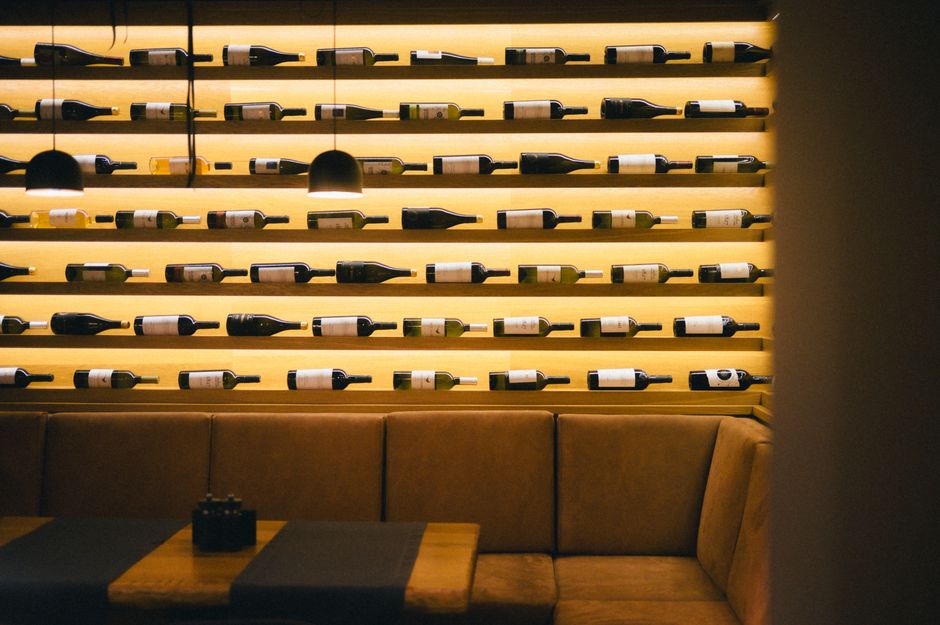
Lighting is another crucial element in restaurant interior design. The right lighting can enhance the ambiance, highlight architectural features, and create a welcoming environment. Many restaurants are now using layered lighting techniques that combine ambient, task, and accent lighting to create a dynamic and versatile space.
For example, pendant lights can provide focused illumination over tables, while softer overhead lighting can create a warm and inviting glow throughout the dining area. Moreover, adjusting the lighting throughout the day can also influence the atmosphere—bright lights during lunch hours can promote a lively vibe, while dimmer lights in the evening can enhance intimacy and relaxation.
Furniture Selection and Arrangement
Furniture selection is another critical aspect of restaurant interior design. The right furniture not only complements the overall design theme but also contributes to the comfort and functionality of the space. When selecting furniture, consider materials, styles, and durability, especially in high-traffic areas.
Arranging the furniture in a way that facilitates easy movement and encourages social interaction is also essential. For instance, creating a mix of table sizes can accommodate different group sizes and preferences, making the restaurant more versatile. Additionally, incorporating booths or communal tables can enhance the dining experience by fostering a sense of community among guests.
Incorporating unique furniture pieces can also serve as focal points and conversation starters, adding character to the restaurant’s interior. This is where the concept of restaurant interior design truly shines, as it allows owners to express their brand identity through carefully curated furniture choices.
Conclusion
In conclusion, restaurant interior design is a multifaceted aspect that plays a significant role in shaping the customer experience. By understanding the importance of design, staying up-to-date with current trends, and making informed choices about color, lighting, and furniture, restaurateurs can create inviting and functional spaces that attract and retain customers. As the dining landscape continues to evolve, investing in thoughtful and innovative interior design will be essential for any restaurant looking to thrive in a competitive market.