
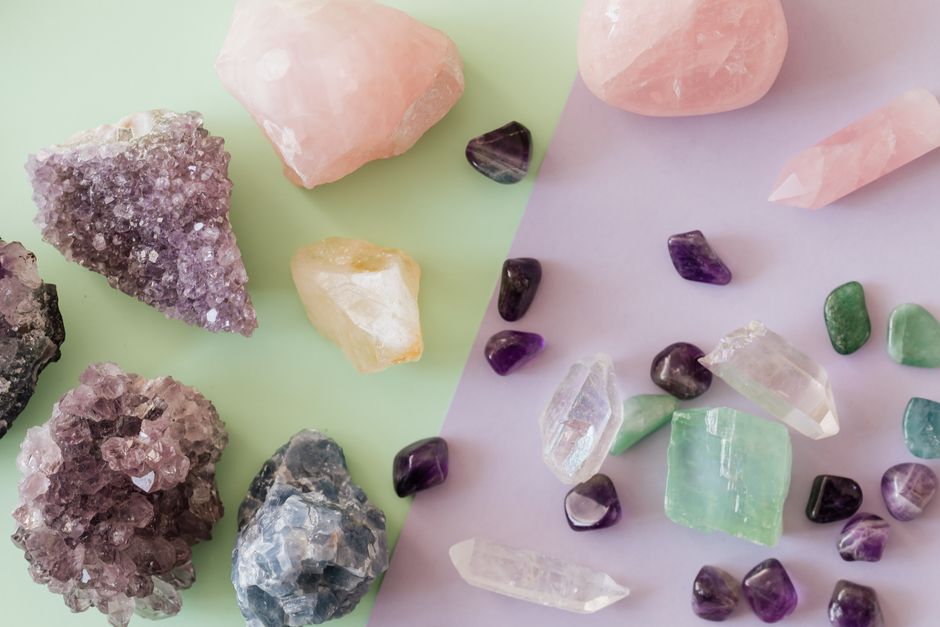
In the world of jewelry and gemstone trading, selecting the right gemstone supplier is crucial for both quality and profitability. Whether you’re a jewelry designer, a retailer, or an enthusiast, understanding the facets of gemstone sourcing can make all the difference in your business. This guide will explore the key factors to consider when choosing a gemstone supplier, ensuring you make informed decisions that align with your needs.
Understanding Gemstone Types and Sources
Before diving into supplier options, it’s essential to understand the various types of gemstones available in the market. Gemstones can be broadly categorized into precious and semi-precious stones. Precious stones include diamonds, emeralds, sapphires, and rubies, while semi-precious stones encompass a wide range of other gems such as amethyst, topaz, and garnet.
Furthermore, gemstones are sourced from different regions around the world, each with unique characteristics. For instance, Colombian emeralds are renowned for their rich green color, while Burmese rubies are celebrated for their deep red hue. Knowing the origins of the gemstones you wish to work with can guide you in selecting a supplier who specializes in those specific stones.
Additionally, the method of extraction and treatment of gemstones plays a crucial role in their quality and value. Ethical sourcing has become increasingly important, with many buyers preferring suppliers who adhere to sustainable and responsible mining practices.
Evaluating Supplier Credentials
Once you have a clear understanding of the gemstones you want to work with, the next step is to evaluate potential suppliers. Look for suppliers with a strong reputation in the industry. This can be assessed through online reviews, testimonials, and their standing within professional organizations such as the Gemological Institute of America (GIA).
Additionally, inquire about the supplier’s certifications and affiliations. A reputable gemstone supplier should provide certification for their gemstones, detailing the stone’s quality, authenticity, and any treatments it may have undergone. This documentation is crucial for building trust with your customers and ensuring you receive the best possible product.
Furthermore, consider visiting suppliers in person if possible. This allows you to inspect the gemstones directly and assess the supplier’s operation and inventory firsthand, providing a deeper insight into their business practices.
Quality Assurance and Pricing Structures
Quality assurance is a fundamental aspect of choosing a gemstone supplier. Ensure that the supplier has a robust quality control process in place, guaranteeing that all gemstones meet established standards. This includes checking for clarity, cut, color, and carat weight.
Pricing is another critical factor to consider. While it might be tempting to go for the cheapest option available, remember that quality often comes at a price. A reputable supplier will offer competitive pricing without compromising on the quality of the gemstones. It’s advisable to compare prices from multiple suppliers, but be wary of prices that seem too good to be true, as they may indicate inferior quality or unethical sourcing practices.
In addition, understanding the supplier’s pricing structure is vital. Some suppliers may operate on a wholesale basis, while others may have a retail pricing model. Knowing how your chosen supplier operates can help you plan your budget and pricing strategy effectively.
Building Relationships with Suppliers
Establishing a good relationship with your gemstone supplier can lead to long-term benefits for your business. Communication is key; ensure that your supplier is responsive and willing to address any concerns you may have. A supplier who values their relationship with you will often go the extra mile to meet your needs.
Consider negotiating terms that work for both parties. This could include payment terms, delivery schedules, or bulk purchase discounts. A collaborative approach can foster a positive business relationship, leading to better service and potential future opportunities.
Moreover, staying updated with the latest trends in the gemstone market can further enhance your relationship with your supplier. This knowledge can help you make informed purchasing decisions and keep your inventory aligned with current consumer preferences.
Conclusion
Choosing the right gemstone supplier is a multifaceted process that requires careful consideration of various factors. From understanding gemstone types and sources to evaluating supplier credentials and building strong relationships, each step plays a crucial role in ensuring the success of your gemstone-related endeavors. By taking the time to select a reliable supplier, you can enhance your offerings, build customer trust, and ultimately drive your business forward. For those looking for a reputable source, consider exploring options from a trusted gemstone supplier.