
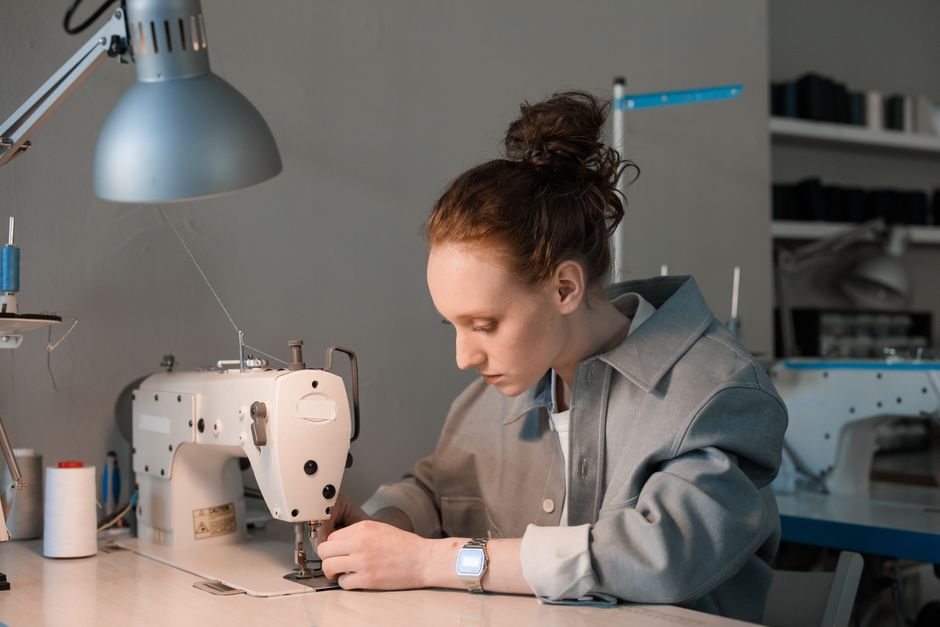
The fashion industry is undergoing a significant transformation, characterized by a shift towards personalization and customization. As consumers increasingly seek unique and tailored clothing options, the demand for custom clothing manufacturers has surged. This article explores the factors driving this trend, the benefits of custom clothing, and how businesses can leverage this growing market.
Understanding the Custom Clothing Market
The custom clothing market has seen exponential growth in recent years. According to a report by Research and Markets, the global custom apparel market is expected to reach $3.1 billion by 2025. This growth can be attributed to several factors, including advancements in technology, changing consumer preferences, and the rise of online shopping.
One significant driver of this trend is the rise of e-commerce platforms that specialize in custom clothing. These platforms allow consumers to design their own garments, choosing everything from fabric and color to fit and style. This level of personalization not only enhances the shopping experience but also fosters a deeper emotional connection between the consumer and the product.
Furthermore, as sustainability becomes a more pressing concern, consumers are increasingly opting for custom clothing that is made to order, reducing waste and overproduction. This shift toward sustainable practices is not just a trend but a fundamental change in how the fashion industry operates.
The Benefits of Custom Clothing
Custom clothing offers numerous advantages over mass-produced garments. First and foremost, it provides a perfect fit, which is often hard to achieve with standard sizes. Consumers no longer have to compromise on comfort or style, as they can create garments that cater to their specific body types and preferences.
Moreover, custom clothing allows for greater creativity and expression. Individuals can showcase their unique styles and personalities through personalized designs, setting themselves apart from the crowd. This individuality is particularly appealing in a world where fast fashion often leads to uniformity.
Additionally, custom clothing manufacturers often prioritize quality over quantity, using superior materials and craftsmanship. This results in garments that are not only more durable but also more aesthetically pleasing. As a result, consumers are willing to invest more in custom pieces, viewing them as long-term investments rather than disposable fashion.
How Businesses Can Succeed in the Custom Clothing Industry
For businesses looking to enter the custom clothing market, understanding the target audience is crucial. Companies should conduct thorough market research to identify consumer preferences and trends. This knowledge will enable them to tailor their offerings and marketing strategies effectively.
Another key factor is adopting the right technology. Investing in user-friendly design software and e-commerce platforms can significantly enhance the customer experience. By allowing consumers to visualize their designs in real-time, businesses can reduce the likelihood of returns and increase customer satisfaction.
Furthermore, collaborating with skilled artisans and manufacturers is essential for maintaining product quality. By partnering with a reputable custom clothing manufacturer, businesses can ensure that their custom garments meet high standards of craftsmanship and durability.
Challenges in the Custom Clothing Industry
While the custom clothing market presents numerous opportunities, it is not without its challenges. One major hurdle is managing production times and costs. Custom orders typically take longer to produce than mass-produced items, which can lead to longer wait times for customers.
Additionally, businesses must navigate the complexities of inventory management. Since custom clothing is made to order, companies must balance supply and demand carefully to avoid overstocking or stockouts. Implementing efficient inventory management systems can help mitigate these issues.
Lastly, marketing custom clothing effectively requires a different approach than traditional fashion marketing. Businesses must focus on storytelling and building a strong brand identity that resonates with consumers who value personalization and sustainability.
The Future of Custom Clothing
The future of custom clothing looks promising as more consumers embrace the idea of personalized fashion. With advancements in technology such as 3D printing and artificial intelligence, the customization process will likely become even more seamless and accessible.
Moreover, as consumers continue to prioritize sustainability, the demand for eco-friendly custom clothing options will grow. Businesses that can adapt to these changing preferences and innovate their offerings will be well-positioned to thrive in this evolving market.
In conclusion, the rise of custom clothing manufacturers reflects a broader shift in consumer behavior towards personalization and sustainability in the fashion industry. By understanding the market, leveraging technology, and prioritizing quality, businesses can tap into this lucrative opportunity and meet the growing demand for unique apparel.
Conclusion
The custom clothing industry is more than just a trend; it represents a fundamental change in how consumers approach fashion. As the demand for unique, personalized garments continues to rise, businesses that can adapt and innovate will find themselves at the forefront of this exciting market. Embracing the principles of customization and sustainability will not only benefit companies but also create a more engaging and satisfying shopping experience for consumers.