
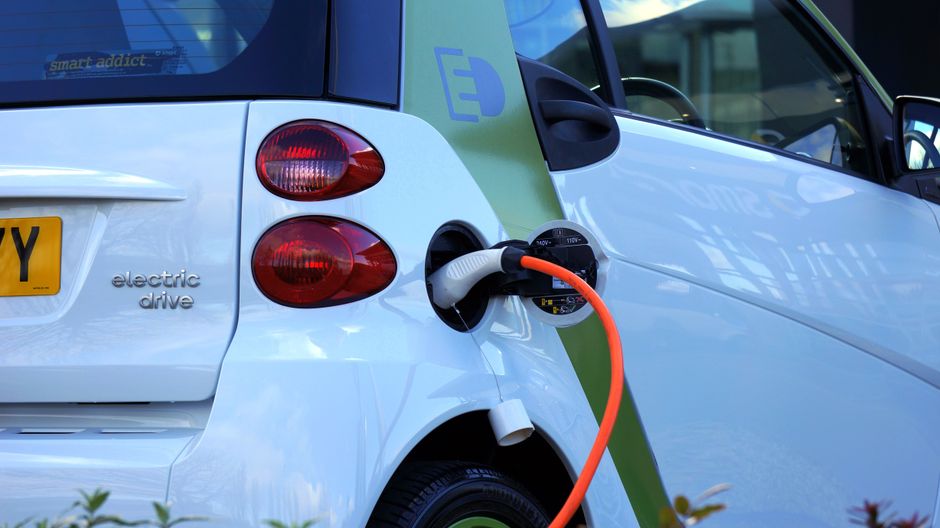
The rapid growth of electric vehicles (EVs) has generated a significant demand for high-performance batteries, making the role of EV battery suppliers more crucial than ever. In this article, we will delve into the landscape of EV battery suppliers, their impact on the electric vehicle market, and the innovations shaping the future of battery technology. Understanding the dynamics of this supply chain is essential for stakeholders looking to navigate the evolving automotive industry.
Current Landscape of EV Battery Suppliers
As of 2023, the global market for EV batteries is dominated by a handful of key players. Companies like CATL, LG Energy Solution, and Panasonic are leading the charge, providing the majority of batteries used in electric vehicles worldwide. According to recent statistics, CATL alone accounted for approximately 32% of the global EV battery market share in 2022. This dominance showcases the competitive nature of the industry and the importance of partnerships between automakers and battery manufacturers.
Moreover, the rise of new entrants in the market is noteworthy. Companies such as Northvolt and SK Innovation are emerging as significant competitors, driven by advancements in battery technology and sustainability initiatives. This influx of new suppliers is reshaping the market dynamics, pushing established companies to innovate and improve their offerings.
Investments in battery technology are also on the rise, with a reported $50 billion allocated to research and development in the battery sector in 2022 alone. This trend reflects the critical need for improved energy density, faster charging times, and enhanced safety features in EV batteries.
Technological Innovations in EV Batteries
At the heart of the EV battery supplier landscape are the technological innovations that are driving the industry forward. Solid-state batteries, for instance, are gaining traction as a potential game-changer. Unlike traditional lithium-ion batteries, solid-state batteries utilize a solid electrolyte, which can significantly enhance energy density and safety. Major players like Toyota and QuantumScape are heavily investing in this technology, with prototypes already in development.
Another significant advancement is the development of lithium-sulfur and lithium-air batteries, which promise to deliver even higher energy densities than current lithium-ion solutions. These innovations could extend the range of electric vehicles significantly, addressing one of the primary concerns of consumers: range anxiety.
Furthermore, many suppliers are leaning towards sustainable practices in battery production. The use of recycled materials and the development of eco-friendly manufacturing processes are becoming increasingly important as consumers demand greener solutions. Companies are now exploring ways to reduce their carbon footprint while enhancing battery performance.
The Role of Supply Chain in EV Battery Production
The supply chain for EV batteries is complex and involves various stages, from raw material extraction to battery assembly. Key materials such as lithium, cobalt, and nickel are critical for the production of high-performance batteries. The sourcing of these materials poses significant challenges, particularly regarding ethical mining practices and geopolitical factors.
For instance, a substantial portion of the world’s cobalt supply comes from the Democratic Republic of Congo, raising concerns about labor practices and environmental impact. As a response, many EV battery suppliers are actively seeking to diversify their supply chains and invest in alternative materials to mitigate risks and ensure sustainability.
Additionally, the logistics involved in transporting these materials and finished products are vital to maintaining efficiency and cost-effectiveness. Suppliers are increasingly focusing on optimizing their supply chains to reduce lead times and respond quickly to market demands.
Market Trends and Future Outlook
The EV battery supplier market is poised for significant growth in the coming years. Forecasts suggest that the global EV battery market will reach over $100 billion by 2026, driven by increasing adoption of electric vehicles and heightened regulatory support for green technologies. This growth presents opportunities for new entrants and existing players to expand their market share.
Furthermore, as battery technology continues to evolve, we can expect greater collaboration between automakers and battery suppliers. Strategic partnerships will be essential for developing next-generation batteries that meet the demands of consumers and regulatory bodies alike.
In conclusion, the landscape of EV battery suppliers is rapidly changing, influenced by technological innovations, supply chain dynamics, and market trends. Stakeholders must remain agile and informed to navigate this complex environment effectively. For those looking to learn more about the top players in the market, a comprehensive overview can be found at EV battery supplier resources.
Conclusion
As the electric vehicle market continues to expand, the role of EV battery suppliers will become increasingly critical. Their ability to innovate and adapt to changing market conditions will determine the pace of EV adoption and the overall success of the automotive industry in transitioning to sustainable practices. By understanding the key players, technological advancements, and market trends, stakeholders can position themselves strategically in this burgeoning sector.