
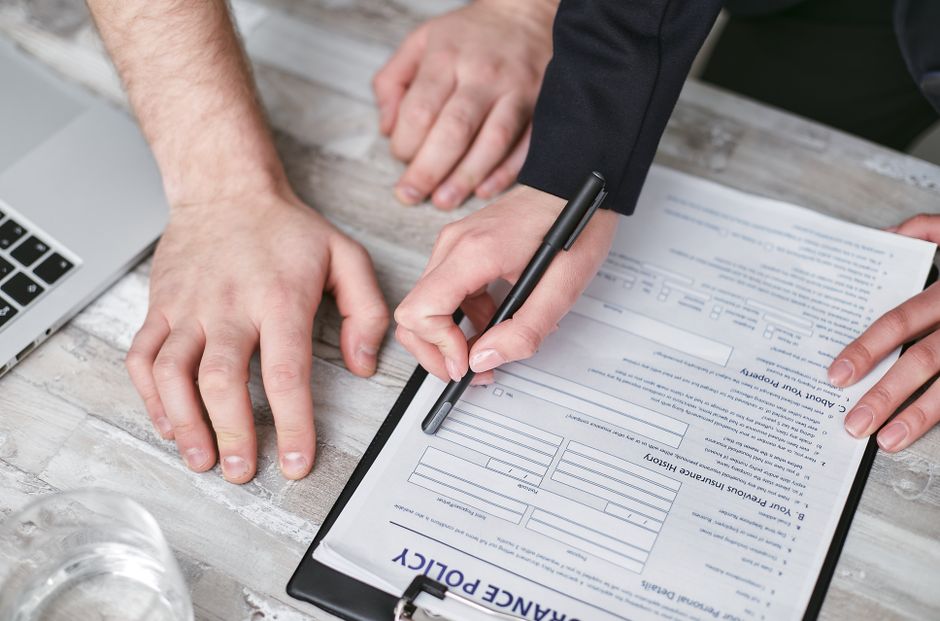
When renting a home or an apartment, many tenants overlook a crucial aspect of their living arrangement: renters insurance. This type of insurance can be a lifesaver in times of unexpected events, safeguarding personal belongings and providing financial protection. In this article, we will explore what renters insurance is, its benefits, and why it is essential for anyone renting a property.
What is Renters Insurance?
Renters insurance is a type of property insurance that provides coverage for a tenant’s personal property within a rented residence. It typically covers losses due to theft, fire, water damage, and other specified perils. Unlike homeowners insurance, which covers both the structure and the owner’s belongings, renters insurance focuses solely on the tenant’s personal items.
This insurance policy can vary significantly in terms of coverage limits and premiums, depending on the insurer and the specific needs of the renter. A standard policy may offer coverage for furniture, electronics, clothing, and even liability protection against injury claims made by others.
Why Do You Need Renters Insurance?
The question many renters ask is, “Do I really need renters insurance?” The answer is a resounding yes for several reasons. First and foremost, it protects your personal belongings. Without insurance, you risk losing everything if a disaster strikes. For instance, in 2020, it was reported that more than 2 million burglaries occurred in the U.S. alone, resulting in significant losses for renters who were unprotected.
Moreover, renters insurance often includes liability coverage, which protects you if someone is injured in your rented space. This can save you from potentially devastating legal expenses and claims against you. Just imagine a visitor slipping on a wet floor and deciding to sue for damages; without insurance, you would be responsible for covering those costs out of pocket.
What Does Renters Insurance Cover?
Understanding what renters insurance covers is essential to choosing the right policy. Typically, renters insurance covers the following:
- Personal Property: This includes coverage for electronics, furniture, clothing, and other personal items in the event of theft or damage.
- Liability Protection: If someone is injured in your home, this coverage can help pay for medical bills and legal fees.
- Additional Living Expenses: If your rented property becomes uninhabitable due to a covered loss (like fire), this insurance can help cover temporary housing costs.
However, it is crucial to read the fine print, as not all policies cover every type of damage. For example, damage from floods or earthquakes may require additional coverage or a separate policy.
How to Choose the Right Renters Insurance Policy
When selecting a renters insurance policy, consider the following factors:
Assess Your Needs: Take an inventory of your belongings and estimate their value. This will help you determine how much coverage you need.
Compare Policies: Different insurance companies offer various policies and rates. It’s essential to shop around and compare quotes to find the best deal.
Understand the Deductibles: The deductible is the amount you must pay out of pocket before your insurance kicks in. A lower deductible means higher premiums, so find a balance that works for you.
Lastly, don’t forget to check for discounts. Many insurers offer discounts for bundling policies or for having security features in your rental unit.
Conclusion
Renters insurance is more than just a safety net; it is a vital component of responsible renting. By understanding the importance of this coverage, you can protect your belongings and ensure peace of mind during your rental experience. Whether you are considering getting renters insurance for the first time or looking to switch providers, make sure to do your research and choose a policy that best fits your needs. To get more information on affordable options, check out renters insurance resources available online.