
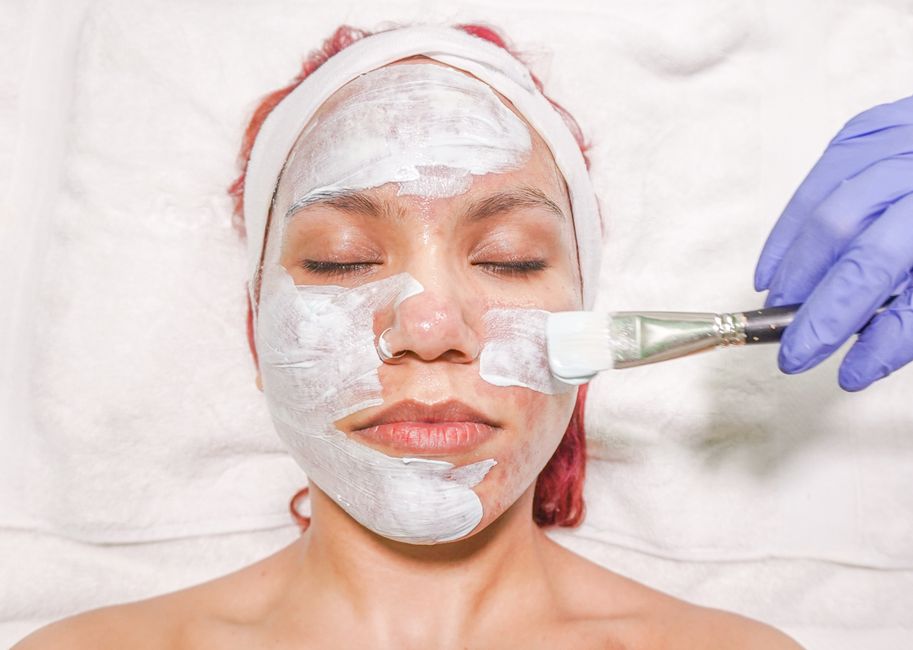
Chemical peels have gained significant popularity in recent years as an effective method for skin rejuvenation. This cosmetic treatment can help address various skin concerns, including acne scars, sun damage, and uneven skin tone. With the right approach and understanding, chemical peels can be a transformative experience, leading to healthier and more radiant skin.
What is a Chemical Peel?
A chemical peel is a cosmetic procedure that involves applying a chemical solution to the skin. This solution helps to exfoliate the outer layers, promoting the growth of new, healthier skin. Chemical peels can vary in strength, from mild peels that only affect the superficial layers to deeper peels that penetrate more extensively. Understanding the different types of chemical peels is crucial for choosing the right treatment for your skin type.
The primary types of chemical peels include superficial peels, medium peels, and deep peels. Superficial peels typically use alpha-hydroxy acids (AHAs) or beta-hydroxy acids (BHAs) and are effective for mild skin issues. Medium peels often involve trichloroacetic acid (TCA) and provide more significant results for moderate skin concerns. Deep peels, which use phenol, are the most intensive and can lead to dramatic improvements but require longer recovery times.
Benefits of Chemical Peels
Chemical peels offer a multitude of skin benefits. One of the most notable advantages is the improvement of skin texture. By removing dead skin cells and promoting cell turnover, peels can result in smoother skin and a more youthful appearance. Additionally, chemical peels can help reduce the appearance of fine lines and wrinkles, making them a popular choice among those looking to combat signs of aging.
Furthermore, chemical peels can effectively treat hyperpigmentation and acne scars. For individuals struggling with uneven skin tone, a peel can help fade dark spots and create a more balanced complexion. The treatment also unclogs pores and reduces acne breakouts, making it suitable for oily and acne-prone skin.
Preparing for Your Chemical Peel
Preparation is key to achieving optimal results from a chemical peel. Before your treatment, it’s essential to consult with a qualified dermatologist or licensed aesthetician who can assess your skin type and recommend the appropriate peel. During this consultation, discuss your skin concerns, medical history, and any medications you are taking.
In the weeks leading up to your chemical peel, you may be advised to avoid certain products and treatments, such as retinoids, exfoliants, and sun exposure. Preparing your skin properly can enhance the effectiveness of the peel and minimize potential side effects.
What to Expect During and After the Treatment
During the chemical peel procedure, the chemical solution is applied to your skin and left on for a specific amount of time, depending on the type of peel being used. You may experience a tingling or burning sensation, which is usually brief. After the peel is neutralized and removed, your skin may appear red and feel sensitive, similar to a sunburn.
Post-treatment, it’s crucial to follow your provider’s aftercare instructions. This may include avoiding sun exposure, using gentle skincare products, and keeping the skin moisturized. While some redness and peeling are expected, these symptoms usually subside within a few days. Full recovery may take longer for deeper peels, but the results are often worth the wait.
Long-Term Results and Maintenance
Many individuals notice significant improvements in their skin’s appearance after a chemical peel, but maintaining those results requires ongoing care. Regular skincare routines, including sun protection and hydration, are vital to prolonging the benefits of the treatment. Additionally, many dermatologists recommend scheduling follow-up peels or complementary treatments to enhance and maintain results over time.
Ultimately, the effectiveness of a chemical peel varies based on individual skin types and concerns. Consulting with a professional can help tailor a treatment plan that aligns with your skincare goals. For those considering this transformative treatment, understanding the process and committing to proper aftercare can lead to long-lasting improvements in skin health.