Irrigation systems play a crucial role in modern agriculture, enabling farmers to optimize water usage and enhance crop yields. As the world faces increasing challenges related to water scarcity and climate change, the importance of efficient irrigation methods cannot be overstated. This article delves into various types of irrigation systems, their benefits, and best practices for implementation.
Types of Irrigation Systems
There are several types of irrigation systems, each with its own advantages and disadvantages. The most common types include surface irrigation, drip irrigation, and sprinkler irrigation. Surface irrigation involves the direct application of water to the soil surface, allowing it to infiltrate gradually. This method is often used in large fields and can be cost-effective, but it may lead to water wastage if not managed properly.
Drip irrigation, on the other hand, delivers water directly to the roots of plants through a network of tubes and emitters. This method is highly efficient, reducing water loss due to evaporation and runoff. Farmers utilizing drip irrigation can achieve significant water savings, with studies showing reductions of up to 50% in water usage compared to traditional methods.
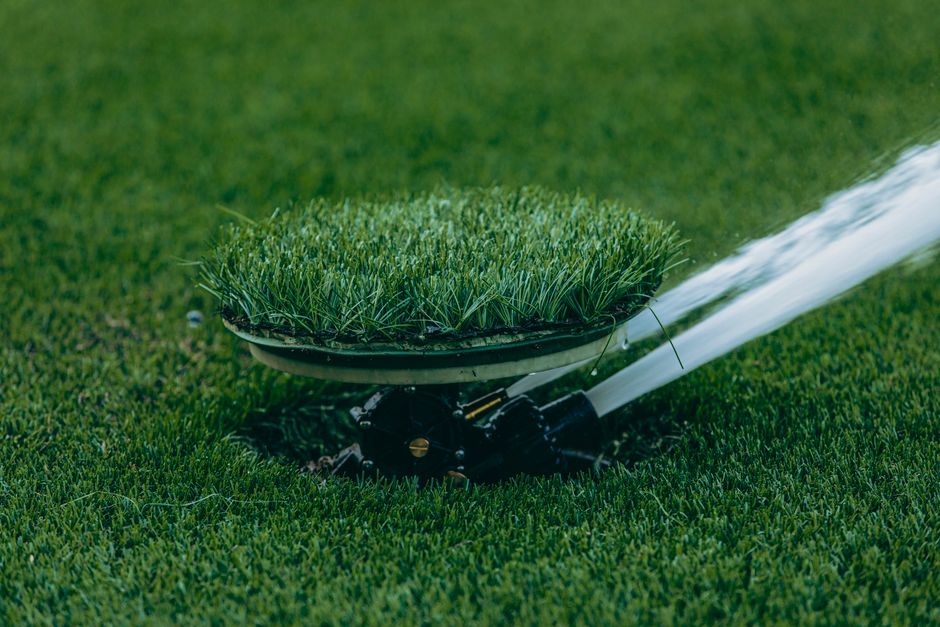
Sprinkler irrigation mimics natural rainfall by distributing water through a system of pipes and nozzles. This method is versatile and can be used for various crops and terrains. However, it can be less efficient in windy conditions, where water may be lost to evaporation before reaching the ground.
Benefits of Efficient Irrigation Systems
Implementing an efficient irrigation system can lead to numerous benefits for both farmers and the environment. Firstly, it promotes water conservation, which is vital in regions facing drought. For instance, farmers who adopt advanced irrigation technologies can reduce their water consumption significantly, ensuring that their crops receive adequate moisture without over-extracting from local water sources.
Secondly, improved irrigation systems can enhance crop productivity. Research indicates that properly managed irrigation can increase yields by up to 30%. This increase not only boosts farmers’ income but also contributes to food security, especially in developing countries where agriculture is a primary livelihood.
Lastly, efficient irrigation practices can have positive environmental impacts. By reducing water usage, farmers can help maintain local ecosystems and prevent soil degradation. Additionally, advanced systems such as irrigation systems can minimize the runoff of fertilizers and pesticides, leading to healthier water bodies and ecosystems.
Best Practices for Implementing Irrigation Systems
To maximize the benefits of irrigation systems, farmers should follow best practices tailored to their specific conditions. Firstly, conducting a soil analysis is crucial for understanding the water retention capacity and nutrient needs of the soil. This information can guide decisions on the type of irrigation system to implement.
Moreover, regular maintenance of irrigation systems is essential to ensure optimal performance. Clogged emitters in drip systems or malfunctioning sprinklers can lead to uneven water distribution, negatively impacting crop health. Farmers should routinely check and clean their systems to avoid such issues.
Finally, integrating modern technology such as soil moisture sensors and remote monitoring systems can further enhance irrigation efficiency. These tools allow farmers to monitor soil conditions in real-time, enabling them to make informed decisions about when and how much to irrigate.
The Future of Irrigation Systems
As technology advances, the future of irrigation systems looks promising. Innovations such as automated irrigation systems and data-driven approaches are set to revolutionize the agricultural landscape. Farmers will increasingly rely on precision agriculture techniques to optimize their water usage and ensure sustainable farming practices.
Additionally, the integration of renewable energy sources, such as solar-powered pumps, can reduce the carbon footprint of irrigation systems. This shift not only benefits the environment but can also lower operational costs for farmers.
In conclusion, understanding and adopting efficient irrigation systems is vital for sustainable agriculture. By choosing the right system, implementing best practices, and embracing innovation, farmers can enhance productivity while conserving precious water resources.
Conclusion
Efficient irrigation systems are a cornerstone of modern agricultural practices. As global challenges related to water scarcity continue to grow, embracing advanced irrigation technologies will be key to ensuring food security and environmental sustainability. By investing in the right systems and practices, farmers can optimize their resources and contribute to a more sustainable future.