
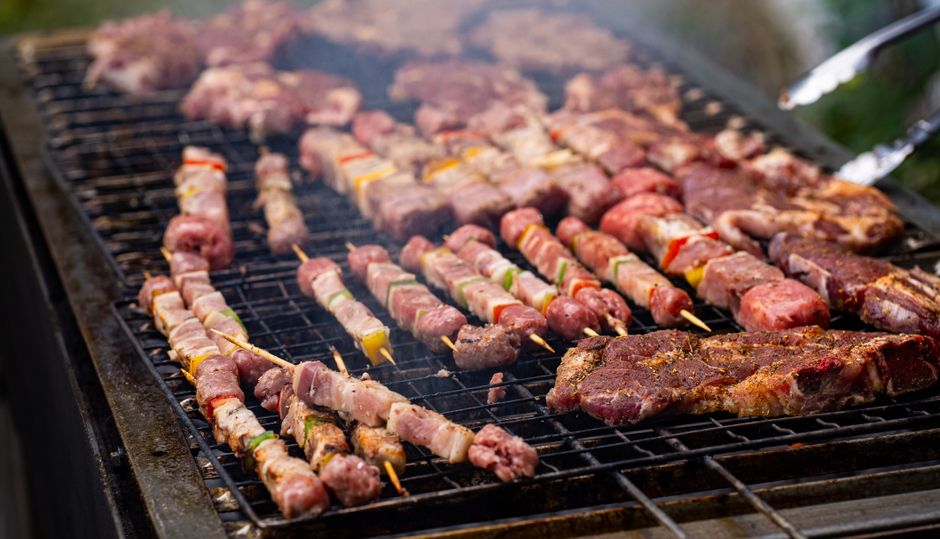
Barbecue is more than just a cooking method; it’s a cultural phenomenon that brings people together, celebrates flavors, and showcases culinary artistry. From backyard cookouts to competitive barbecuing, the techniques and traditions surrounding this beloved pastime vary greatly across regions and cultures. In this guide, we will explore the art of barbecue, including essential techniques, popular styles, and tips for achieving the perfect smoke and flavor.
Understanding Barbecue Techniques
At its core, barbecue is all about low and slow cooking. This method allows tough cuts of meat to become tender and flavorful. The key techniques include smoking, grilling, and roasting. Each technique has its own unique flavor profile and cooking requirements. For instance, smoking involves cooking meat at low temperatures for extended periods, often using wood chips to infuse flavor. In contrast, grilling typically involves higher temperatures and shorter cooking times, making it ideal for steaks and vegetables.
To master barbecue, one must understand the importance of temperature control. Using a reliable meat thermometer is crucial for ensuring that meats are cooked to the proper internal temperatures. For example, pork should reach an internal temperature of at least 145°F, while chicken should be cooked to 165°F to ensure safety.
Additionally, the choice of fuel can significantly impact the final product. Charcoal, wood, and gas each impart different flavors to the meat. Many barbecue enthusiasts swear by the smoky flavor that comes from using hardwoods like hickory or mesquite, while others prefer the convenience of gas grills.
Regional Barbecue Styles
The world of barbecue is rich and diverse, with each region boasting its own unique style. In the United States alone, you can find distinct barbecue traditions from Texas, Kansas City, the Carolinas, and more. Texas barbecue is known for its emphasis on beef, particularly brisket, which is often seasoned with a simple rub and cooked until tender. On the other hand, Kansas City barbecue is famous for its sweet and tangy sauces, often served with pork ribs and burnt ends.
In the Carolinas, barbecue is synonymous with pulled pork. The meat is slow-cooked and typically served with a vinegar-based sauce that varies from region to region. This regional diversity not only reflects local ingredients but also the cultural influences that have shaped barbecue traditions over the years.
Essential BBQ Tools and Equipment
Equipping yourself with the right tools can elevate your barbecue experience. A good quality grill or smoker is essential, but there are several other tools that can enhance your cooking. For instance, a set of long-handled tongs and a spatula are necessary for safely flipping and removing meat from the grill. A basting brush helps apply sauces and marinades, while a meat thermometer ensures precision in cooking.
Moreover, investing in a sturdy cutting board and sharp knives will make preparation easier. Don’t forget to include a cooler for keeping drinks cold and a comfortable seating area for guests. The barbecue experience is as much about the food as it is about the social interaction that accompanies it.
Tips for Achieving Perfect Flavors
Achieving the perfect barbecue flavor requires practice and attention to detail. One important tip is to allow meats to rest after cooking. This helps redistribute the juices within the meat, resulting in a more flavorful bite. Additionally, experimenting with different rubs and marinades can enhance the overall taste. A simple blend of spices can transform a basic cut of meat into a culinary masterpiece.
Another vital aspect is smoke management. For those using a smoker, understanding how to control airflow and temperature can drastically affect the outcome. Properly seasoning your wood and maintaining consistent heat will ensure that the smoke flavor penetrates the meat without becoming overwhelming.
Barbecue Trends to Watch
The barbecue landscape is constantly evolving, with new trends emerging each year. One trend gaining popularity is the use of alternative proteins, such as plant-based meats and seafood. Many barbecue enthusiasts are experimenting with smoked vegetables and fish, showcasing the versatility of barbecue cooking.
Additionally, sustainability is becoming a key focus, with many pitmasters emphasizing locally sourced ingredients and eco-friendly practices. This shift not only supports local economies but also promotes a healthier approach to eating.
Finally, the rise of barbecue competitions has introduced a new level of creativity and innovation in the field. Competitors often push the boundaries of traditional barbecue, incorporating unique ingredients and techniques to impress judges and audiences alike. For those interested in the competitive scene, attending local barbecue contests can provide inspiration and valuable insights.
Conclusion
Barbecue is a multifaceted culinary art that encompasses a wide range of techniques, styles, and flavors. Whether you’re a seasoned pitmaster or a novice griller, there is always something new to learn and explore in the world of barbecue. By understanding the essential techniques, regional styles, and current trends, you can elevate your barbecue game and create memorable meals that bring people together. So fire up that grill, gather your friends, and enjoy the delicious experience that barbecue offers. For those seeking more resources or community involvement, you might want to reach out to Zeus for additional tips and guidance.