Cardiopulmonary Resuscitation (CPR) is a life-saving technique that is crucial in emergency situations, especially in cases of cardiac arrest. Understanding how to perform CPR can significantly increase the chances of survival for a victim, making it an essential skill for everyone to learn. This article will delve into the importance of CPR, its techniques, and the latest guidelines to effectively administer it.
What is CPR?
Cardiopulmonary Resuscitation, commonly known as CPR, is an emergency procedure that combines chest compressions and artificial ventilation to maintain blood flow and oxygenation to the brain and other vital organs when the heart stops beating. CPR is a critical intervention that can be performed by bystanders or first responders before professional medical help arrives.
According to the American Heart Association, over 350,000 cardiac arrests occur outside of hospitals each year in the United States alone. The survival rate drops significantly with each passing minute without CPR, emphasizing the necessity for immediate action. Thus, learning CPR can be a decisive factor in the survival of an individual experiencing a cardiac event.
The Importance of CPR Training
Training in CPR is vital for several reasons. First and foremost, it equips individuals with the skills and confidence to act decisively during a medical emergency. Many people hesitate to perform CPR due to fear of causing harm or a lack of knowledge about the proper techniques. However, studies show that bystander CPR can double or even triple a victim’s chances of survival.
Moreover, CPR training often includes how to recognize the signs of a cardiac arrest. Awareness of symptoms such as sudden collapse, unresponsiveness, and lack of normal breathing can prompt quicker action. Organizations such as the American Heart Association and the Red Cross offer various CPR courses, and many employers also provide training for their staff.
How to Perform CPR
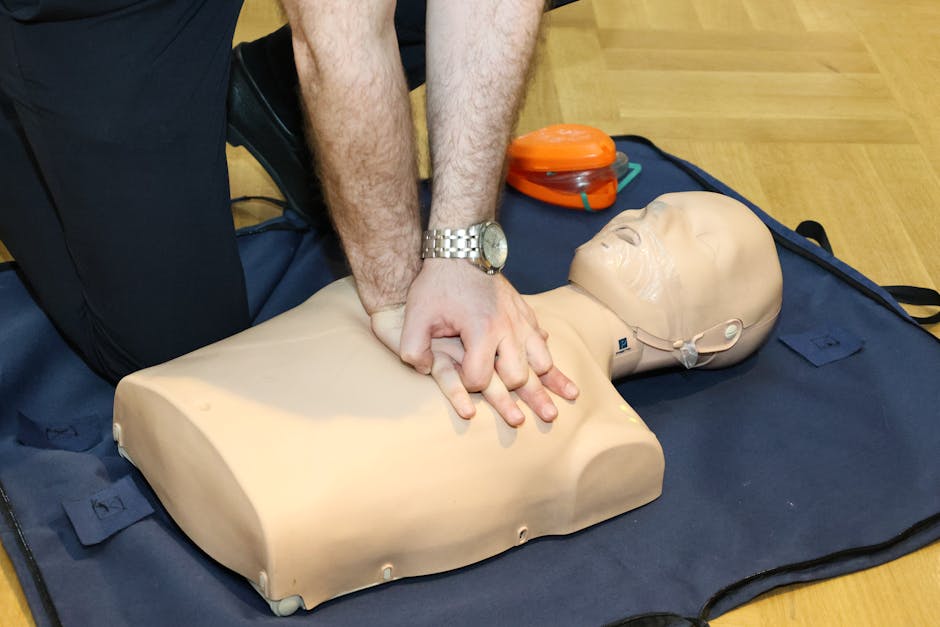
Performing CPR involves two main components: chest compressions and rescue breaths. It is crucial to start with chest compressions, as they help circulate blood to the heart and brain. The compression technique involves placing the heel of one hand on the center of the chest, interlocking the fingers of the other hand on top, and pushing down hard and fast. The recommended rate is 100 to 120 compressions per minute.
After 30 compressions, if trained, the rescuer should provide two rescue breaths. This involves tilting the head back slightly, pinching the nose shut, and sealing the lips around the victim’s mouth before giving a breath that lasts about one second. The cycle of 30 compressions followed by two breaths is repeated until emergency services arrive or the victim shows signs of life.
In addition to traditional CPR, hands-only CPR is gaining traction. This method focuses solely on chest compressions, eliminating the rescue breaths. Research indicates that hands-only CPR can be just as effective for adult cardiac arrest victims, making it easier for bystanders to perform.
CPR and Technology
With advancements in technology, CPR training and awareness have become more accessible than ever. Mobile applications offer instant guidance on how to perform CPR, and many communities are implementing automated external defibrillators (AEDs) in public spaces. These devices can analyze heart rhythms and deliver shocks to restore a normal heartbeat, further enhancing survival rates.
Additionally, online training programs and virtual reality simulations provide innovative ways to learn CPR. For instance, courses like the HLR kurs Stockholm allow individuals to receive certification from the comfort of their homes while ensuring they acquire the necessary skills and knowledge.
Conclusion: The Lifesaving Impact of CPR
In conclusion, CPR is a critical life-saving technique that everyone should learn. The ability to perform CPR can make the difference between life and death in emergencies. As statistics show, quick and effective action can dramatically improve survival rates for cardiac arrest victims. By investing time in CPR training, individuals can empower themselves to respond confidently and effectively when faced with such situations.
As we continue to raise awareness about the importance of CPR, we can create a safer community where more lives are saved. Remember, when in doubt, don’t hesitate to act. Your knowledge and skills may save a life.