
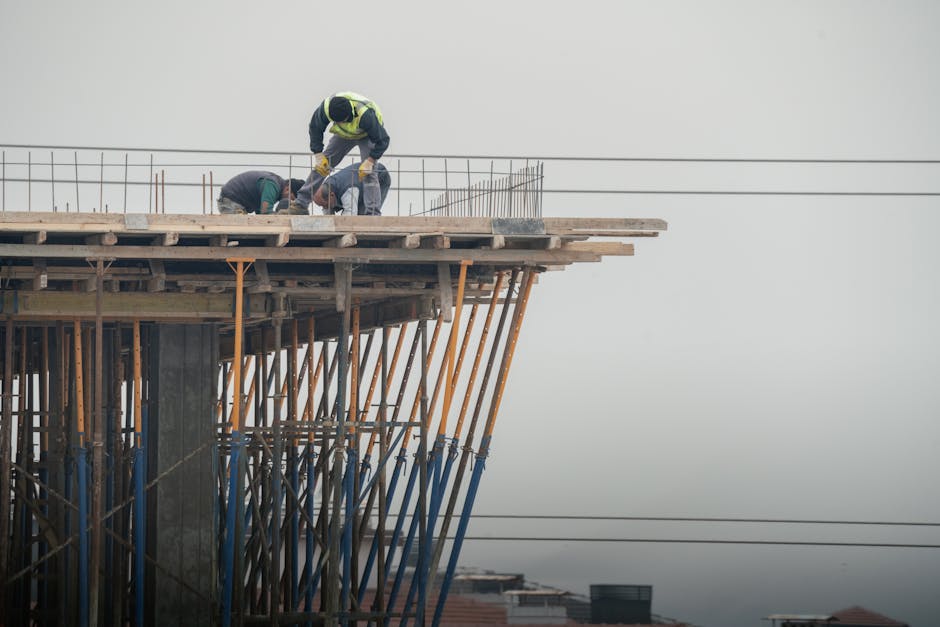
The construction industry is undergoing a significant transformation driven by advancements in technology, sustainability initiatives, and changing consumer expectations. As we navigate through these changes, it becomes crucial to understand the emerging trends that are shaping the future of construction. This article explores the innovations and trends that are set to redefine the construction landscape.
Technological Innovations in Construction
One of the most notable trends in the construction industry is the integration of advanced technologies. Building Information Modeling (BIM), for instance, has revolutionized the way projects are planned and executed. BIM allows for the creation of detailed 3D models that can be shared among all stakeholders, significantly reducing errors and improving collaboration.
Moreover, the use of drones for site surveys has become increasingly popular. Drones can efficiently gather data and create accurate topographical maps, which can save time and reduce costs. As technology continues to evolve, we can expect to see even more innovative solutions, such as the use of artificial intelligence and machine learning to optimize project management and scheduling.
Sustainability in Construction
With growing awareness of environmental issues, sustainability has become a top priority in the construction industry. Companies are increasingly adopting green building practices to minimize their carbon footprint. This includes using sustainable materials, improving energy efficiency, and implementing waste reduction strategies.
For example, many construction firms are now using recycled materials in their projects. This not only helps to reduce waste but also lowers the costs associated with raw materials. Furthermore, sustainable construction practices can lead to long-term savings for building owners through reduced energy consumption.
The Role of Modular Construction
Modular construction is another trend that is gaining traction within the industry. This method involves prefabricating building components in a factory setting before transporting them to the construction site for assembly. Modular construction can significantly reduce construction time and costs while also minimizing waste.
According to a report by McKinsey, modular construction can reduce construction time by up to 50% compared to traditional methods. This efficiency is particularly beneficial in addressing the housing shortages faced by many urban areas. As the demand for rapid construction increases, modular methods are likely to play a crucial role in meeting these needs.
Workforce Development and Skills Training
As the construction industry evolves, there is a growing need for a skilled workforce that can adapt to new technologies and practices. Many construction companies are investing in workforce development programs to ensure their employees are equipped with the necessary skills.
This is particularly important as the industry faces a shortage of skilled labor. According to a survey by the Associated General Contractors of America, 80% of construction firms reported difficulty finding qualified workers in 2022. By prioritizing training and development, companies can not only improve their workforce but also enhance their competitiveness in the market.
Conclusion: Embracing Change in the Construction Industry
The construction industry is at a pivotal moment, where embracing innovation and sustainability is essential for future success. From advanced technologies to sustainable practices, the trends shaping the industry are diverse and impactful. As stakeholders continue to adapt to these changes, the construction sector will likely become more efficient, environmentally friendly, and capable of meeting the demands of a growing population.
For those looking to connect with industry professionals, joining a construction network charlotte nc can provide valuable networking opportunities and resources that can further enhance knowledge and collaboration in this evolving field.