In the competitive world of the restaurant industry, the interior design of a space plays a crucial role in attracting and retaining customers. A well-thought-out restaurant interior design creates a welcoming atmosphere that enhances the dining experience and reflects the brand’s identity. In this article, we will explore key elements of restaurant interior design, trends to consider, and practical tips for creating an inviting space that stands out.
Understanding the Importance of Space Planning
Effective space planning is fundamental to any successful restaurant interior design. It involves arranging furniture, fixtures, and decor in a way that maximizes flow and functionality. One of the primary goals of space planning is to ensure that guests can move comfortably through the restaurant without feeling cramped or obstructed.
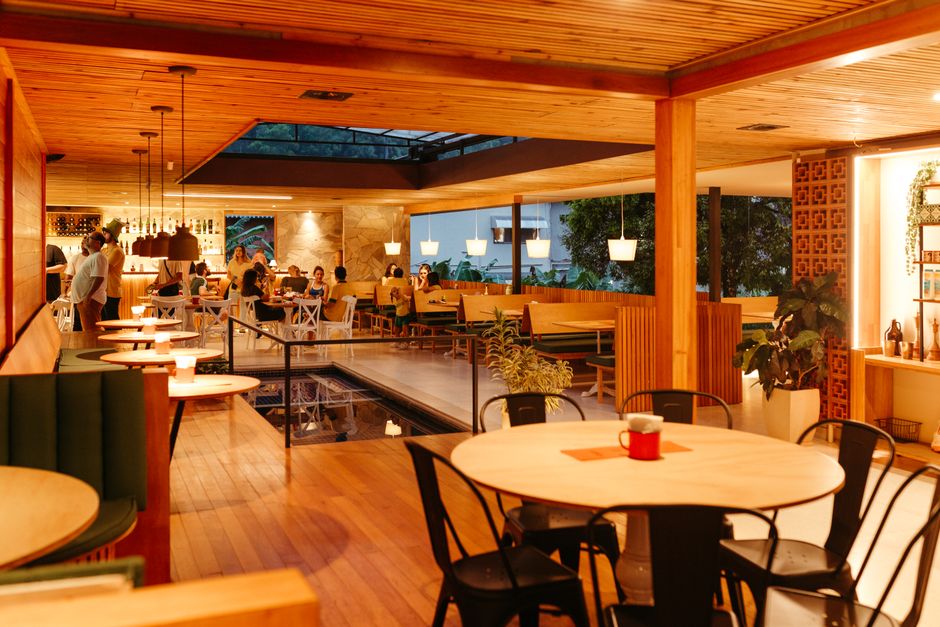
Consider the layout: the seating arrangement should encourage social interaction while also allowing for privacy. For instance, a mix of booth seating and tables can cater to different dining preferences. Additionally, strategic placement of the bar area can create a lively focal point that draws customers in.
Moreover, the kitchen’s positioning relative to the dining area is critical. An open kitchen concept can enhance the dining experience by allowing patrons to view the culinary process, thereby increasing their appreciation for the food being served.
Choosing the Right Color Palette
The color scheme of a restaurant significantly influences the mood and perception of the dining experience. Colors can evoke emotions and set the tone for the atmosphere. For example, warm colors like red and orange can stimulate appetite, while cooler tones like blue and green can create a calm and relaxing environment.
It is essential to select a color palette that aligns with the restaurant’s theme and branding. A fine dining establishment may opt for muted tones combined with elegant accents, whereas a casual eatery might incorporate vibrant colors to create an energetic vibe. Don’t forget to consider how the color scheme interacts with the lighting; natural and artificial light can drastically change the appearance of colors.
Incorporating Unique Design Elements
To differentiate a restaurant from competitors, incorporating unique design elements is vital. This could include custom artwork, statement lighting fixtures, or distinctive furniture. For example, a restaurant specializing in seafood might feature nautical-themed decor, while a modern vegan cafe could showcase greenery and natural wood elements.
In addition to decor, the choice of materials can impact the overall ambiance. Mixing textures, such as metal, wood, and fabric, can create depth and visual interest. Moreover, using sustainable materials can enhance the restaurant’s appeal to environmentally conscious consumers.
An innovative approach to restaurant interior design can also involve incorporating technology. For instance, interactive digital menus or augmented reality experiences can provide a modern twist that engages diners.
Understanding Trends in Restaurant Interior Design
Staying updated on the latest trends in restaurant interior design is essential for maintaining a competitive edge. Currently, many restaurateurs are leaning towards biophilic design, which incorporates natural elements into the space, creating a connection between the indoors and outdoors. This trend not only enhances aesthetics but also promotes a sense of well-being among guests.
Additionally, minimalism is gaining popularity. Clean lines, uncluttered spaces, and a focus on functionality can create an inviting environment that is easy for guests to navigate. This style also allows for the food to take center stage, which is especially important in a dining context.
Furthermore, embracing cultural influences can give a restaurant a unique identity. For example, a fusion restaurant might blend elements from various cultures in its interior design, creating a multicultural dining experience that resonates with diverse patrons.
Practical Tips for Successful Implementation
When implementing restaurant interior design ideas, it is crucial to set a clear budget and timeline. This will help in prioritizing elements that are essential for the restaurant’s brand and vision. Working with experienced designers can also streamline the process and bring valuable insights into what works best for the space.
Regularly gathering feedback from employees and customers can provide insight into what aspects of the interior design are successful and what may need improvement. Consider hosting soft openings or focus groups to gauge reactions before the official launch.
Lastly, remember that restaurant interior design is not a one-time task. As trends evolve and customer preferences change, being adaptable and willing to refresh the space periodically can keep the restaurant relevant and appealing.
Conclusion
In summary, effective restaurant interior design is a multifaceted process that requires careful consideration of various elements, from space planning and color choices to unique decor and trends. By creating a captivating environment, restaurateurs can enhance the overall dining experience, leaving a lasting impression on customers. To explore more about restaurant interior design and how to implement these ideas, consider consulting with design professionals who can help bring your vision to life.