
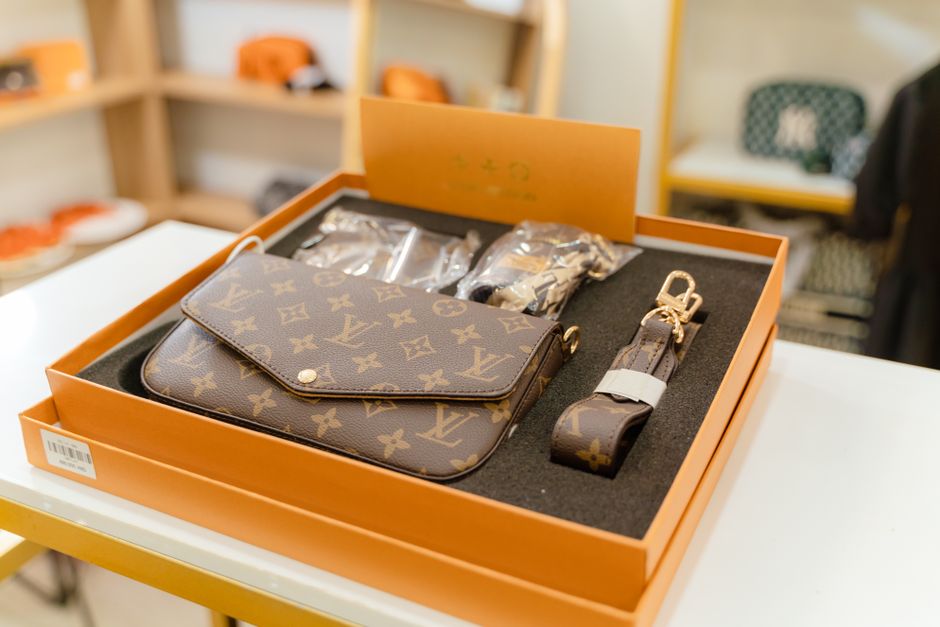
In recent years, the luxury fashion market has witnessed a significant transformation. With the proliferation of online platforms and changing consumer behaviors, the role of luxury brand resellers has become increasingly prominent. These resellers bridge the gap between high-end brands and consumers who seek exclusive and authentic products at competitive prices. This article delves into the world of luxury brand resellers, examining their impact on the market, consumer behavior, and the future of luxury shopping.
Understanding the Luxury Resale Market
The luxury resale market has been growing steadily, with estimates suggesting it could reach $64 billion by 2024. Factors contributing to this growth include the rise of sustainability consciousness among consumers and the increasing desire for unique, vintage pieces. Resellers provide a platform where customers can access pre-owned luxury items that might be out of reach when brand new.
Moreover, the resale market offers a more sustainable approach to fashion. With the fashion industry being one of the largest polluters globally, buying second-hand luxury goods helps reduce waste and promotes a circular economy. This shift is not only beneficial for the environment but also aligns with the values of a new generation of consumers who prioritize ethical consumption.
The Role of Technology in Reselling
Technological advancements have played a crucial role in the expansion of luxury brand resellers. Online marketplaces and mobile applications make it easier than ever for consumers to buy and sell luxury goods. Websites like The RealReal and Poshmark have created user-friendly platforms that authenticate products and streamline transactions.
Additionally, social media has become a powerful marketing tool for resellers. Platforms like Instagram and TikTok allow resellers to showcase their inventory and connect with potential buyers in innovative ways. Influencer partnerships and targeted ads can significantly increase visibility, driving traffic to reseller platforms.
Challenges Faced by Luxury Resellers
While the luxury resale market is thriving, it is not without its challenges. One major concern is the authenticity of the products being sold. Counterfeit goods are a significant issue in the luxury market, and resellers must implement stringent authentication processes to build trust with consumers.
Another challenge is the competition among resellers. As the market grows, many new players enter, making it essential for existing resellers to differentiate themselves. Offering exceptional customer service, unique inventory, and a strong brand story can help resellers stand out in a crowded marketplace.
Consumer Trends and Preferences
Understanding consumer preferences is vital for luxury brand resellers. Recent studies indicate that millennials and Gen Z are driving the demand for pre-owned luxury items. These consumers are not only looking for quality but also value the story behind each piece.
Furthermore, the willingness to shop online for luxury items has increased. The convenience of shopping from home, coupled with detailed product descriptions and high-quality images, has made online luxury shopping more appealing. Resellers must focus on creating an engaging online experience to capture this growing demographic.
The Future of Luxury Brand Reselling
As the luxury resale market continues to evolve, several trends may shape its future. Sustainability will likely remain a driving force, with consumers increasingly prioritizing brands that align with their values. Resellers that emphasize eco-friendly practices and transparency will likely thrive.
Moreover, partnerships with luxury brands could become more common. Some brands are already embracing the resale model, recognizing the potential for reaching new customers while promoting sustainability. This collaboration could enhance the legitimacy of the resale market and further integrate it into the luxury sector.
Conclusion
In conclusion, the luxury brand reseller market is a dynamic and rapidly evolving sector that reflects broader changes in consumer behavior and industry practices. With a focus on sustainability, technology, and customer engagement, resellers are well-positioned to capitalize on the growing demand for pre-owned luxury goods. As this market continues to expand, understanding the trends and challenges will be essential for anyone looking to navigate the world of luxury resale successfully. For those interested in exploring this niche, becoming a luxury brand reseller could be a rewarding venture.