
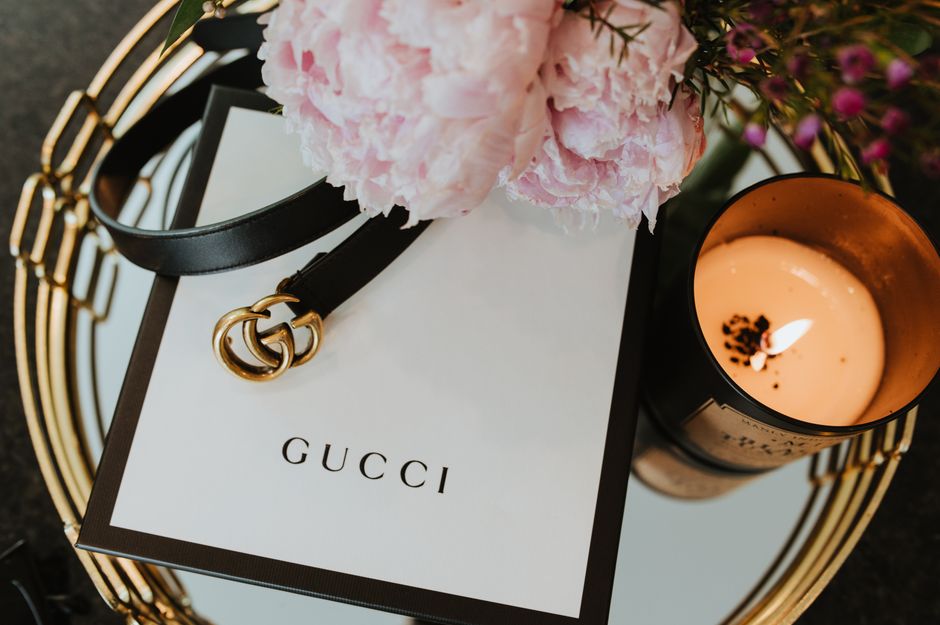
The luxury goods market has seen a significant transformation in recent years, driven by a surge in consumer interest and the rise of online platforms. With the increasing demand for high-end products, many entrepreneurs are turning to luxury brand reselling as a viable business model. This article delves into the ins and outs of becoming a successful luxury brand reseller, providing insights, tips, and examples to help you navigate this lucrative market.
Understanding the Luxury Resale Market
The luxury resale market has exploded over the past decade, growing from a niche segment to a billion-dollar industry. According to a report by Bain & Company, the global luxury resale market is expected to reach $36 billion by 2021, with a projected growth rate of 15% annually. This growth is fueled by various factors, including sustainability trends and a younger generation’s desire for affordable luxury.
Luxury brand resellers operate by purchasing high-end items, often at a discounted price, and then reselling them to consumers looking for prestige at a lower cost. This model allows resellers to capitalize on the brand’s existing value while offering customers an opportunity to own luxury items without breaking the bank.
Identifying Profitable Luxury Brands
Not all luxury brands are created equal when it comes to resale potential. Successful resellers must identify which brands hold their value and have a strong demand in the secondary market. Brands like Louis Vuitton, Chanel, and Hermes consistently rank high in resale value, often fetching prices that exceed their original retail costs.
Research is crucial when selecting brands to resell. Tools like The RealReal and Vestiaire Collective provide valuable insights into market trends and pricing. Additionally, understanding seasonal trends and limited-edition releases can help resellers capitalize on high-demand periods.
Building Your Inventory Wisely
Once you’ve identified profitable brands, the next step is to build your inventory. Sourcing high-quality items is vital to maintaining a good reputation in the luxury resale market. Many resellers start by purchasing items from consignment shops, estate sales, or online marketplaces.
It’s essential to verify the authenticity of the items you plan to sell. Investing in authentication services or familiarizing yourself with the indicators of genuine luxury products can prevent costly mistakes. Additionally, consider diversifying your inventory with a mix of classic items and trendy pieces to attract a broader customer base.
Effective Marketing Strategies for Resellers
Marketing plays a crucial role in the success of luxury brand reselling. Building a strong online presence through social media platforms like Instagram and Facebook can help attract potential buyers. High-quality images and engaging content are key to showcasing the luxury items you offer.
Consider leveraging influencer partnerships or collaborating with fashion bloggers to reach a wider audience. Email marketing campaigns and targeted ads can also be effective tools for driving traffic to your online store.
Additionally, providing exceptional customer service can help build loyalty and encourage repeat business. Responding promptly to inquiries and ensuring a smooth purchasing process can enhance your brand’s reputation.
Legal Considerations and Best Practices
As with any business, legal considerations are crucial when entering the luxury resale market. Ensure you comply with local regulations regarding sales tax and business licenses. Additionally, familiarize yourself with the terms of service of the platforms you use to sell your items.
Maintaining transparency with customers regarding the condition and authenticity of your products is essential. Implement a clear return policy to manage customer expectations and protect your business.
For those looking to scale their luxury brand reselling business, consider platforms that facilitate bulk selling or wholesale purchasing. As you grow, you may also want to explore options for creating your own website to establish a more direct connection with customers.
In summary, becoming a successful luxury brand reseller requires a blend of market knowledge, strategic sourcing, effective marketing, and a solid understanding of legal requirements. By staying informed and adaptable, you can carve out a profitable niche in the ever-evolving luxury resale landscape.
Conclusion
The luxury brand reselling market offers exciting opportunities for entrepreneurs willing to invest the time and effort to succeed. As consumer preferences continue to evolve, resellers who stay ahead of trends and maintain a commitment to quality will thrive. Whether you’re considering starting a new venture or looking to expand your existing business, understanding the nuances of the luxury resale market will be key to your success.