
In the ever-evolving world of manufacturing, sheet metal fabrication stands out as a critical process that combines artistry with engineering precision. This method is not only essential for creating a wide range of products, from simple brackets to complex enclosures, but it also plays a pivotal role in various industries including automotive, aerospace, and construction. Understanding the nuances of sheet metal fabrication can provide valuable insights into the manufacturing landscape.
What is Sheet Metal Fabrication?
Sheet metal fabrication refers to the process of transforming flat sheets of metal into various shapes and sizes through cutting, bending, and assembling techniques. This process is vital for creating components used in everything from household appliances to industrial machinery. The materials commonly used in sheet metal fabrication include steel, aluminum, brass, and copper, each offering unique properties suitable for different applications.
One of the key advantages of sheet metal fabrication is its ability to achieve high levels of precision and repeatability. Modern technologies such as laser cutting, CNC machining, and waterjet cutting have revolutionized the fabrication process, allowing manufacturers to produce intricate designs with minimal waste. For instance, a recent study indicated that businesses utilizing advanced CNC machines have reported a 20% reduction in material waste compared to traditional methods.
The Process of Sheet Metal Fabrication
The sheet metal fabrication process typically involves several stages, each crucial to the final product’s quality and functionality. The first stage is design, where engineers create detailed drawings and specifications for the intended product. This phase often utilizes CAD (Computer-Aided Design) software to ensure accuracy and ease of modifications.
Following the design phase, the next step is material selection. The choice of material can significantly impact the performance and durability of the final product. For example, aluminum is often preferred for lightweight applications, while stainless steel is chosen for its corrosion resistance. Once the material is selected, it is cut to size using techniques such as shearing or laser cutting.
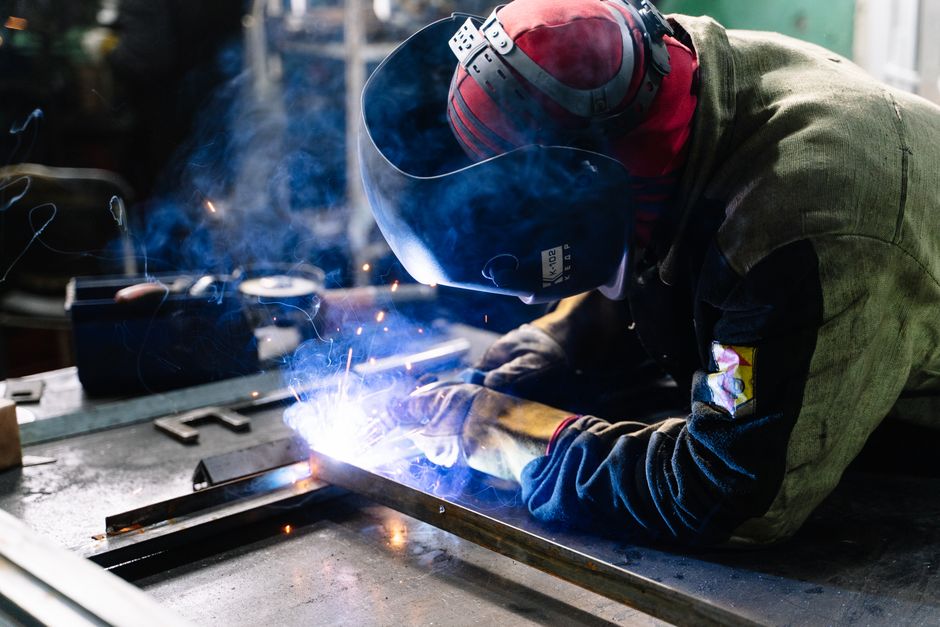
After cutting, the metal sheets undergo bending and forming processes. Bending is typically achieved using press brakes or other forming machines, allowing for precise angles and shapes. Finally, the components are assembled through welding, riveting, or fastening, depending on the design requirements.
Applications of Sheet Metal Fabrication
Sheet metal fabrication finds applications across numerous industries, showcasing its versatility and importance. In the automotive industry, for example, it is crucial for producing body panels, chassis components, and exhaust systems. The aerospace sector also relies heavily on this process for creating lightweight yet strong parts that enhance fuel efficiency and performance.
Moreover, the construction industry utilizes sheet metal fabrication for roofing systems, ductwork, and structural components. A notable example is the use of fabricated metal panels in modern architecture, which not only provide structural integrity but also aesthetic appeal.
According to industry reports, the global sheet metal fabrication market is expected to grow significantly, with a projected CAGR of 5.2% from 2021 to 2028. This growth is driven by increasing demand for lightweight materials and advanced manufacturing technologies.
Challenges in Sheet Metal Fabrication
While sheet metal fabrication offers numerous advantages, it also presents several challenges that manufacturers must navigate. One of the primary challenges is managing production costs, particularly in the context of fluctuating material prices. Manufacturers must find a balance between maintaining quality and controlling expenses to remain competitive.
Another challenge is the need for skilled labor. As fabrication techniques evolve, there is an increasing demand for workers proficient in advanced technologies such as robotics and automation. Companies must invest in training and development programs to ensure their workforce is equipped with the necessary skills.
Additionally, meeting stringent regulatory standards can pose challenges, particularly in industries such as aerospace and automotive. Manufacturers must remain vigilant in maintaining compliance with safety and quality regulations, which can vary by region and application.
Future Trends in Sheet Metal Fabrication
The future of sheet metal fabrication looks promising, with several trends poised to shape the industry. One of the most significant trends is the integration of automation and smart technologies. Companies are increasingly adopting automated systems for cutting, bending, and inspection processes, resulting in greater efficiency and accuracy.
Furthermore, the rise of additive manufacturing, or 3D printing, is beginning to influence traditional sheet metal fabrication. Hybrid manufacturing processes that combine traditional methods with 3D printing are being explored, allowing for more complex geometries and reduced lead times.
Lastly, sustainability is becoming a crucial consideration in sheet metal fabrication. Manufacturers are increasingly focused on reducing waste and improving energy efficiency throughout the production process. As regulations tighten and consumer demand for eco-friendly products rises, companies that prioritize sustainability will likely gain a competitive edge.
Conclusion
In conclusion, sheet metal fabrication is a vital process that underpins many modern manufacturing practices. Its combination of precision, versatility, and applicability across various industries makes it an indispensable aspect of the production landscape. As technology continues to evolve, manufacturers who adapt to new trends and tackle the challenges head-on will not only thrive but also contribute to a more sustainable and efficient future in manufacturing. For those looking to deepen their understanding of the process, resources such as sheet metal fabrication can provide valuable insights.