Metal fabrication shops play a crucial role in various industries, providing essential services that range from cutting and welding to assembling metal structures. With the increasing demand for customized metal products, understanding the operations and offerings of these shops becomes vital for businesses looking to source quality metal work. This article delves into the world of metal fabrication, exploring the processes involved, the types of services provided, and the importance of choosing the right shop for your needs.
Understanding Metal Fabrication
Metal fabrication refers to the process of transforming raw metal materials into finished products or components. This process involves various techniques such as cutting, bending, welding, and assembling. Metal fabrication shops utilize advanced machinery and skilled labor to ensure precision and quality in their products. Understanding the different stages of metal fabrication can help clients appreciate the complexity and expertise involved in creating metal parts.
At its core, metal fabrication is not just about shaping metal; it’s about creating solutions tailored to specific needs. For instance, industries such as automotive, construction, and aerospace heavily rely on metal fabrication shops to produce parts that meet stringent specifications and standards. As businesses evolve, the demand for innovative designs and functionalities in metal products continues to grow.
Key Services Offered by Metal Fabrication Shops
Metal fabrication shops offer a wide variety of services that cater to different industries. Some of the most common services include:
- Cutting: This involves slicing raw metal sheets or bars into desired sizes using tools like lasers, plasma cutters, or shears.
- Bending: Bending is a crucial process where metal is shaped into specific angles or curves using press brakes or other bending machines.
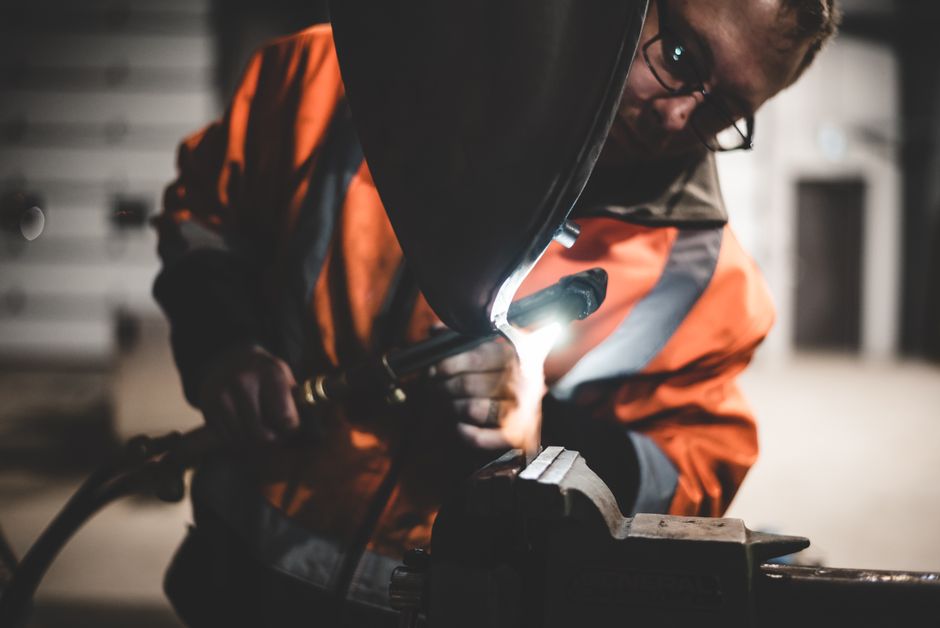
- Welding: Welding is the process of joining two or more pieces of metal together using heat and pressure. Various welding techniques, such as MIG, TIG, and spot welding, are employed based on the project requirements.
- Assembly: After individual components are fabricated, they often require assembly into larger structures or systems, which is another vital service provided by metal fabrication shops.
- Finishing: The finishing process includes treatments like powder coating, painting, and polishing to enhance the appearance and durability of the metal products.
Each of these services requires specialized equipment and skilled professionals, underscoring the importance of selecting a capable metal fabrication shop that can meet your specific project needs.
Choosing the Right Metal Fabrication Shop
When selecting a metal fabrication shop, several factors should be taken into consideration to ensure that you partner with the right provider:
- Experience: Look for shops with a proven track record in the industry. Experience often translates to better quality and reliability.
- Capabilities: Ensure that the shop has the necessary equipment and technology to handle your specific fabrication needs.
- Customization: The ability to provide tailored solutions is crucial. A good metal fabrication shop should be able to work closely with you to understand your requirements and deliver accordingly.
- Quality Assurance: Inquire about the quality control measures in place. A reputable shop will have stringent quality assurance protocols to ensure that all products meet industry standards.
- Customer Service: Effective communication and support are vital in any business relationship. Choose a shop that values customer satisfaction and provides excellent service.
By considering these factors, businesses can significantly improve their chances of finding a reliable metal fabrication partner.
Trends in Metal Fabrication
The metal fabrication industry is continuously evolving, driven by technological advancements and changing market demands. Some notable trends include:
- Automation: Increasing automation in metal fabrication processes helps improve efficiency and reduce labor costs while maintaining high-quality standards.
- 3D Printing: The rise of additive manufacturing techniques such as 3D printing is transforming how metal parts are produced, allowing for greater design flexibility and reduced material waste.
- Sustainability: Many fabrication shops are adopting sustainable practices by recycling scrap metal and minimizing energy consumption during the production process.
- Digital Fabrication: The integration of digital technologies, such as CAD/CAM software, enables more precise designs and streamlined workflows.
Staying updated on these trends can help businesses make informed decisions when engaging with metal fabrication shops and ensure they remain competitive in their respective industries.
Conclusion
Metal fabrication shops are essential to the manufacturing landscape, providing critical services that enable various industries to function effectively. By understanding the processes involved, the services offered, and the factors to consider when choosing a shop, businesses can ensure they receive the best possible outcomes for their projects. As the industry continues to evolve with new technologies and trends, staying informed and adaptable will be key to leveraging the full potential of metal fabrication.